
Staying in a Mountain Refuge in Winter: What to Expect
Staying overnight in a mountain refuge is one of the experiences that makes a winter journey through
Read MorePosted 09-07-2026 by Léa
If you're planning a walking holiday, one of the first decisions you'll need to make is whether to choose a guided or self-guided holiday.
It's an important choice because it shapes far more than how you get from one place to another. It affects the pace of your day, how much responsibility you have, what you'll learn along the way and, ultimately, the type of experience you'll take home.
Some people dream of unfolding a map over breakfast, deciding when to leave and spending the day exploring at their own rhythm. Others prefer to leave the navigation to someone else so they can focus entirely on the scenery, the conversations and the experience of walking.
Neither approach is better. They're simply different, and understanding those differences before you book can make the difference between a good holiday and one that's perfectly suited to you.
In this guide, we'll explain the key differences, the advantages of each approach, and how to decide which style of walking holiday is right for you.
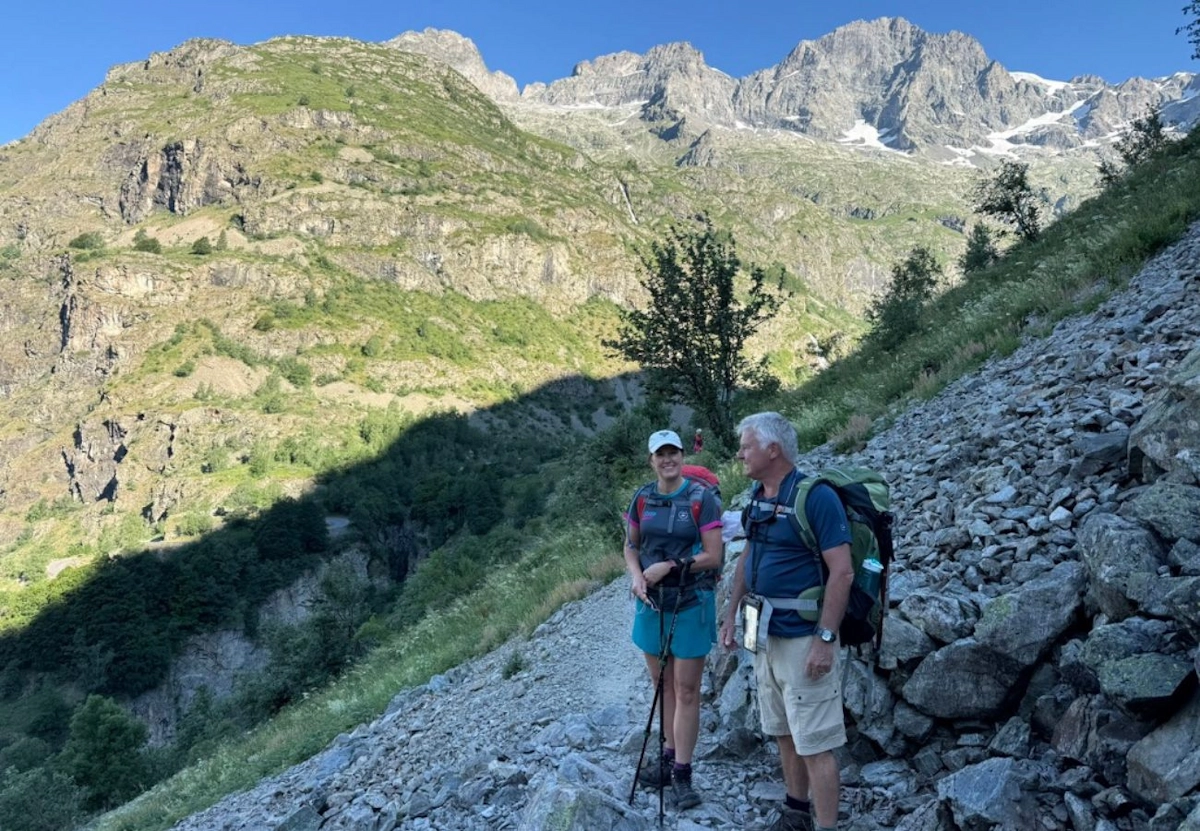
A self-guided walking holiday gives you the freedom to explore independently. Your accommodation, route planning and logistics are organised in advance, but each day you walk on your own or with the people you've chosen to travel with.
Rather than following a guide or group, you're responsible for following the route yourself using maps, route notes or a GPX track. Your holiday has been carefully designed, but how you experience each day is entirely up to you.
For many experienced walkers, this independence is exactly what makes a walking holiday so rewarding.
Whether you're exploring the varied landscapes of our Champsaur Valley Self-Guided Hiking Adventure or spending several days walking between mountain refuges on the Tour du Vieux Chaillol, the satisfaction comes from setting your own pace and enjoying the mountains on your own terms.
One of the biggest attractions of a self-guided walking holiday is the freedom to shape each day around your own interests.
Perhaps you're an early riser who enjoys watching the sun light up the mountain peaks before setting off. Maybe you'd rather linger over breakfast before beginning your walk. If you find a mountain meadow full of wildflowers, you can stop for twenty minutes with your camera without worrying about delaying anyone else. If you come across a welcoming café in a small alpine village, you can decide that today deserves a longer lunch break.
It's your day to enjoy exactly as you wish.
That flexibility is something many walkers value highly. Rather than fitting around a group timetable, you're free to experience the mountains in a way that feels natural to you.
Everyone walks differently.
Some people enjoy maintaining a steady rhythm all day, while others prefer frequent stops to admire the view, identify flowers or simply sit quietly and appreciate their surroundings.
On a self-guided holiday, there's no pressure to walk faster or slower than feels comfortable. You aren't trying to keep up with a group or worrying that others are waiting for you. Your pace becomes the right pace.
This often creates a more relaxed atmosphere, particularly for couples or friends who already know how they enjoy walking together.
For many people, walking is as much about peace and quiet as it is about reaching a destination.
Without the conversations that naturally come with a group, it's easier to notice the sounds of the mountains: the wind moving through the larch trees, marmots whistling from their burrows or the distant bells of grazing sheep.
Walking independently allows you to experience the landscape in your own way. Some people enjoy spending hours chatting together, while others appreciate long periods of silence. Neither is right or wrong, but self-guided holidays offer the space to enjoy the mountains without distraction.
Mountain weather can change quickly, particularly in the Alps. One of the advantages of a guided holiday is that your guide will monitor the conditions and adapt the day's route if necessary, often without you needing to think about it.
On a self-guided holiday, you're responsible for deciding whether to continue with your planned walk, but that doesn't mean you're completely on your own. Because we're based in the southern French Alps, we're only a phone call away. If the forecast changes or you're unsure about conditions, we can advise you and suggest alternative walks that are better suited to the weather.
It's one of the benefits of booking a self-guided holiday with a local specialist rather than simply downloading a route from the internet. You're walking independently, but you still have experienced people nearby if you need advice.
Self-guided holidays suit many walkers, but they aren't the right choice for everybody.
Although your route is carefully planned and you receive detailed maps, route notes and GPX files, you are still responsible for following the route correctly.
You don't need to be an expert navigator or an experienced mountaineer, but you should be confident enough to:
reading a map and following route notes
paying attention to waymarking
recognising if you've missed a turning
remaining calm if something doesn't quite go to plan
Perhaps more importantly, you should enjoy that responsibility.
Some people genuinely like checking the map, working out where they are and feeling the satisfaction of navigating successfully between villages or mountain refuges. Others find it distracting and would rather someone else took care of it.
Neither approach is better, it simply comes down to what you enjoy.
If you're new to walking holidays, it's also worth understanding how mountain refuges work before you set off. Our guide to How to Behave in a Mountain Refuge explains what to expect and the simple etiquette that helps these unique places run smoothly.
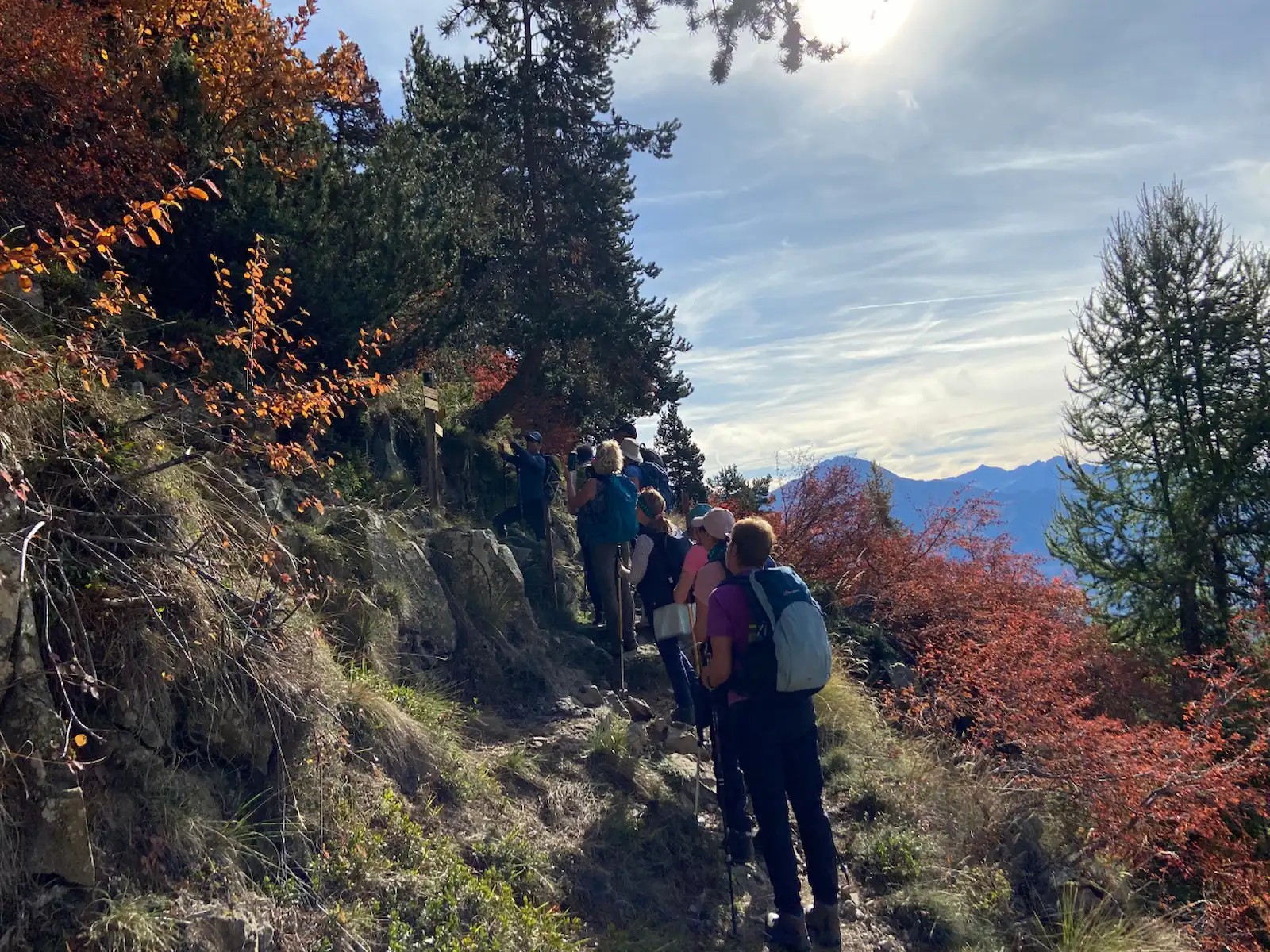
On a guided walking holiday, someone else is responsible for planning the route, monitoring the weather, choosing the best paths and making decisions if conditions change. Instead of concentrating on where you're going next, you can simply enjoy the experience of being in the mountains.
That often creates a more relaxed holiday, particularly for people who spend much of their working lives making decisions and organising other people.
One of the biggest differences between guided and self-guided walking is everything you learn along the way.
A knowledgeable local guide doesn't simply know the route. They know the landscape.
They can explain why one mountainside is covered in larch while another supports pine forest. They know which alpine flowers bloom in early summer and which only appear at higher altitudes later in the season. They can point out the signs that chamois or marmots have recently passed through the area and explain how traditional farming has shaped the valleys for centuries.
Without that local knowledge, it's easy to walk through a beautiful landscape without fully understanding what you're seeing.
You might discover:
flowers and how they survive at altitude
birds, mammals and other wildlife
the geology that shaped the landscape
local history and traditions
stories about the villages, mountain refuges and people who live there
This is one of the reasons walkers enjoy holidays such as our Guided Alps Hiking Escape or our Gourmet Walking Tour. The walking itself is only part of the experience. Having an experienced local guide means you'll often notice wildlife, alpine flowers and historical details you might otherwise pass by, while also discovering the region's food, traditions and culture along the way.
Walking in the mountains becomes surprisingly immersive when someone else is responsible for navigation.
Rather than checking your map every few minutes or wondering whether you've taken the correct path, your attention stays on the landscape around you. You notice the changing light, the sound of streams, the scent of pine forests and the wildlife that often goes unnoticed by walkers concentrating on route finding.
Many people also find that guided holidays allow them to switch off mentally. There are no decisions about which path to take or whether to continue over the next col before the weather changes. Your guide has already considered those things.
Instead, you can simply enjoy the rhythm of walking, confident that someone with local knowledge is leading the way.
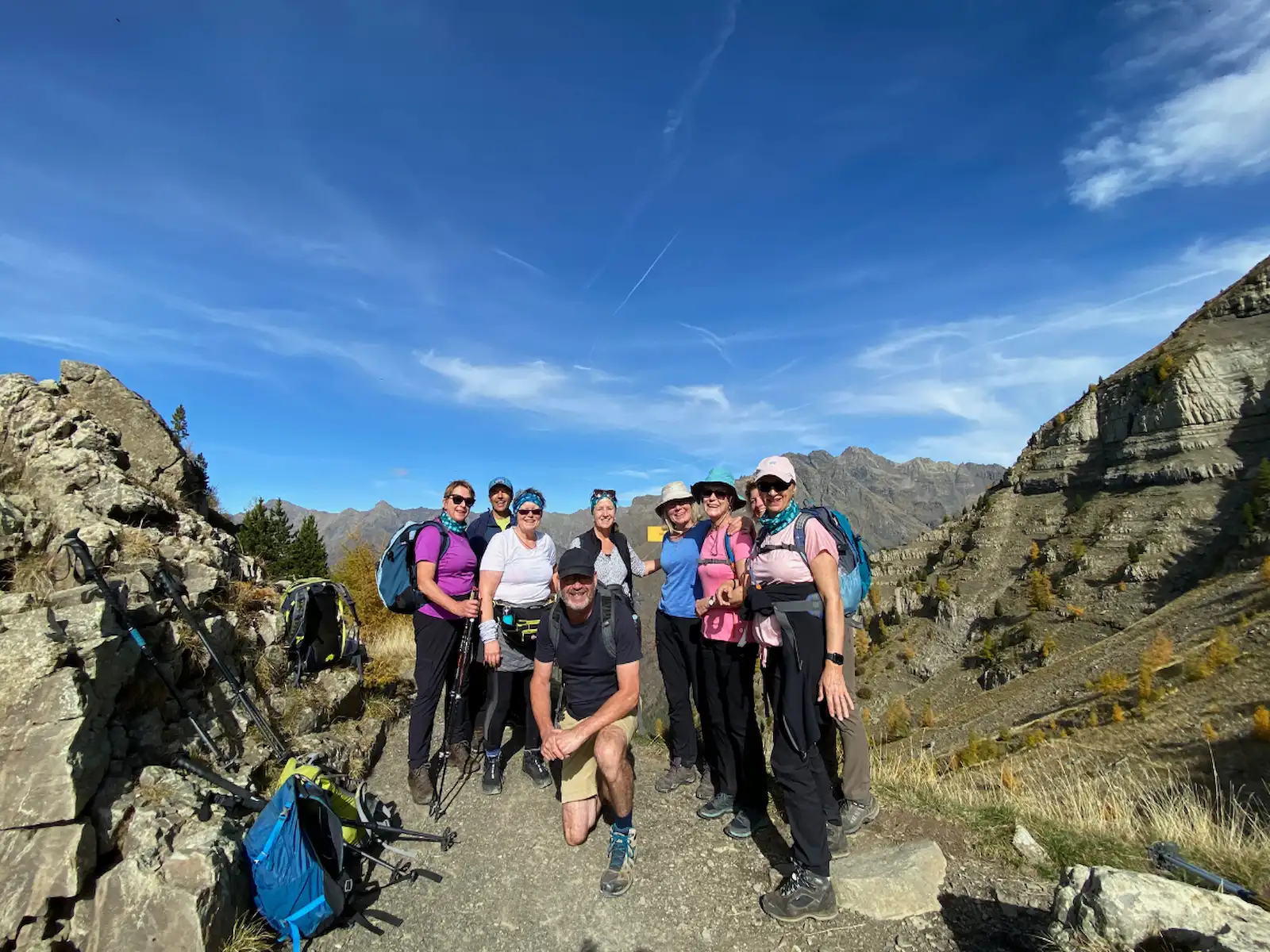
A guided holiday isn't just about the guide. It's also about walking with people who are comfortable with a similar pace and level of challenge.
If the walking is much harder than you expected, the week can become tiring and stressful. Equally, if the pace is much gentler than you're looking for, you may feel you're not getting the most from the holiday.
That's why it's important to choose a holiday that genuinely matches your experience and fitness.
At Undiscovered Mountains, we discuss each guest's walking experience before booking so we can recommend the most appropriate holiday. Our aim is to create groups where everyone can enjoy the walking, rather than feeling under pressure to keep up or frustrated at having to slow down.
When people contact us, they often assume the decision between a guided and a self-guided holiday comes down to one thing: fitness.
In reality, that's only part of the picture.
We've welcomed experienced mountain walkers who chose a guided holiday because they wanted to learn more about the area and enjoy walking without worrying about navigation. Equally, we've had people new to the Alps who were perfectly comfortable choosing a self-guided itinerary because they enjoyed reading maps, making their own decisions and exploring independently.
The better question to ask yourself isn't simply "Am I fit enough?" It's "What kind of holiday will I enjoy most?"
Do you like making your own decisions and setting your own pace? Do you enjoy the quiet satisfaction of navigating yourself from one valley to the next? Or would you rather switch off completely, knowing someone else is taking care of the route while you immerse yourself in the landscape?
Your answers to those questions are often a better guide than the number of kilometres you can comfortably walk.
If you enjoy independence, flexibility and the satisfaction of finding your own way, a self-guided holiday is likely to be the better choice. You'll be free to walk at your own pace, stop whenever something catches your eye and experience the mountains on your own terms.
If, on the other hand, you'd rather leave the navigation to someone else, enjoy learning about the landscape and appreciate the company of like-minded walkers, a guided holiday may suit you better.
Neither option is more adventurous or more authentic than the other. They simply offer different experiences, and the right choice depends on what you want from your time in the mountains.
For safety reasons, we don't offer our self-guided walking holidays to solo walkers.
Many of our routes pass through remote mountain areas where mobile phone coverage can be limited. If you were to have an accident or become unable to continue, getting help could be difficult.
Walking with a companion is a simple but important safety measure, which is why our self-guided holidays are designed for two or more people travelling together. If you're travelling on your own and would still like to explore the mountains, one of our guided walking holidays is usually the better option.
Mountain weather can change quickly. On a guided holiday, your guide will adapt the route if conditions require it. On a self-guided holiday, you make the final decision, but we're only a phone call away. If you're concerned about the forecast or conditions, we'll be happy to advise you and recommend alternative walks where appropriate.
You don't need years of mountain experience to enjoy a walking holiday. The key is choosing a trip that matches your current fitness, confidence and experience. If you're unsure, we're always happy to help you decide whether a guided or self-guided holiday is likely to suit you best.
Staying overnight in a mountain refuge is one of the experiences that makes a winter journey through
Read More
When you picture a winter holiday in the French Alps, downhill skiing is probably one of the first t
Read More
When most people picture a walking holiday in the French Alps, they probably think of summer. The hi
Read More
The Alps have a way of making you feel very small, in the best possible way. From snow-covered peaks
Read More
0 comments
Submit a comment