Analyse the tectono-stratigraphic evolution of the Alps on this field-based geology traverse from Lyon to Provence, examining world-class exposures from Jurassic rifting to foreland basin development.
Location: Southern French Alps
This specialist geology tour for HGS members traces the Alpine story from Jurassic rifting and passive margin development to subduction, collision and foreland basin sedimentation.
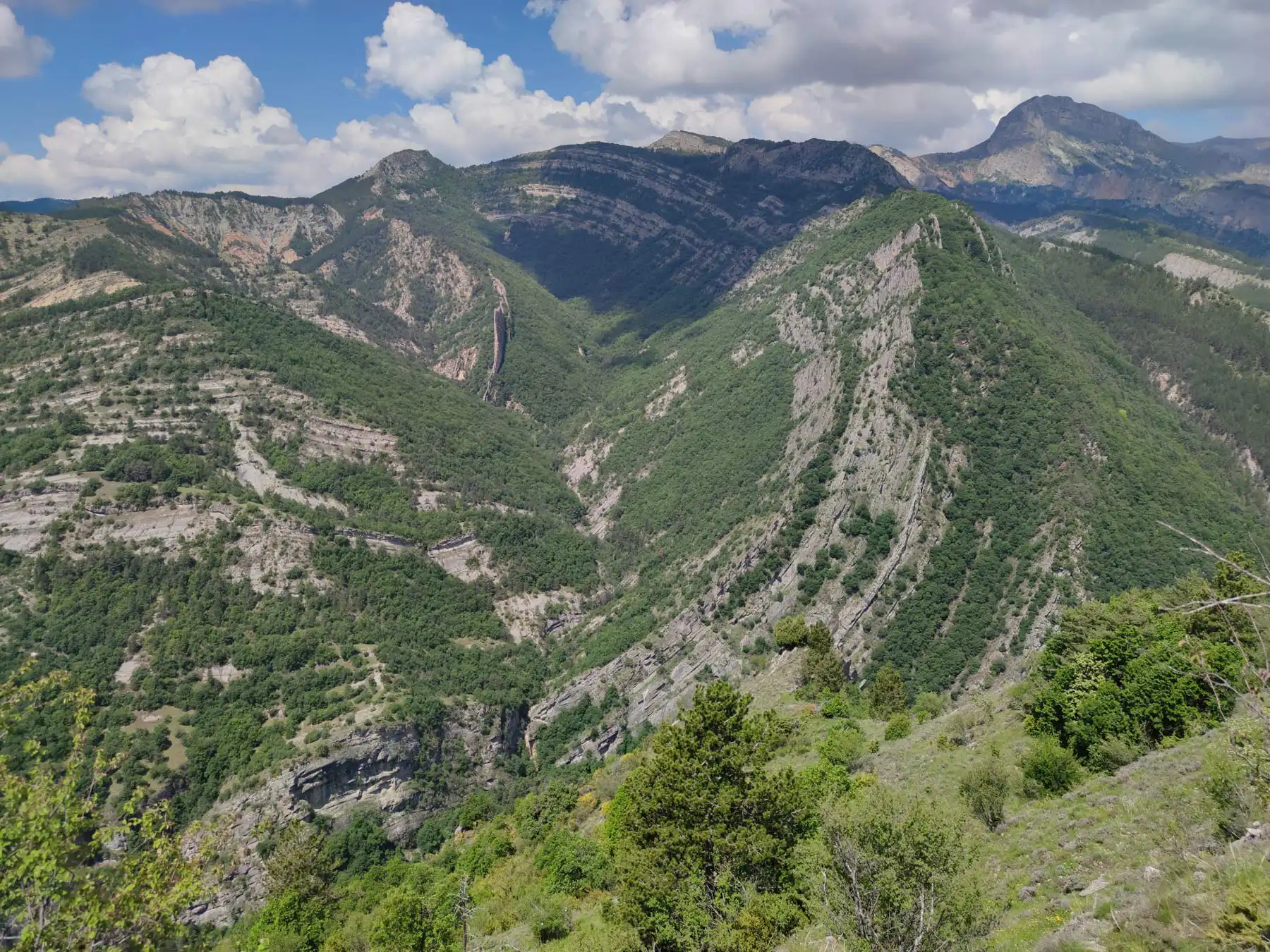
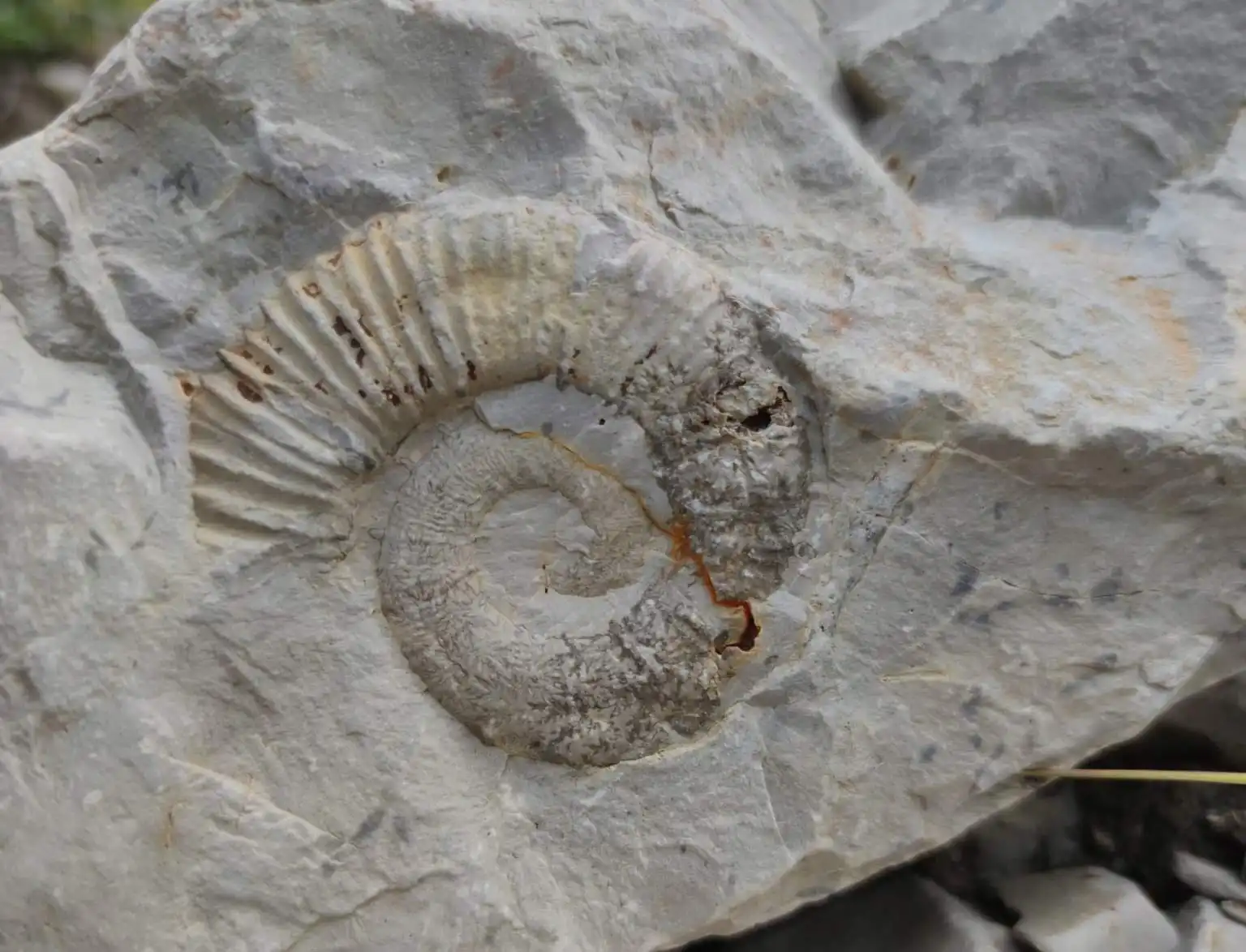
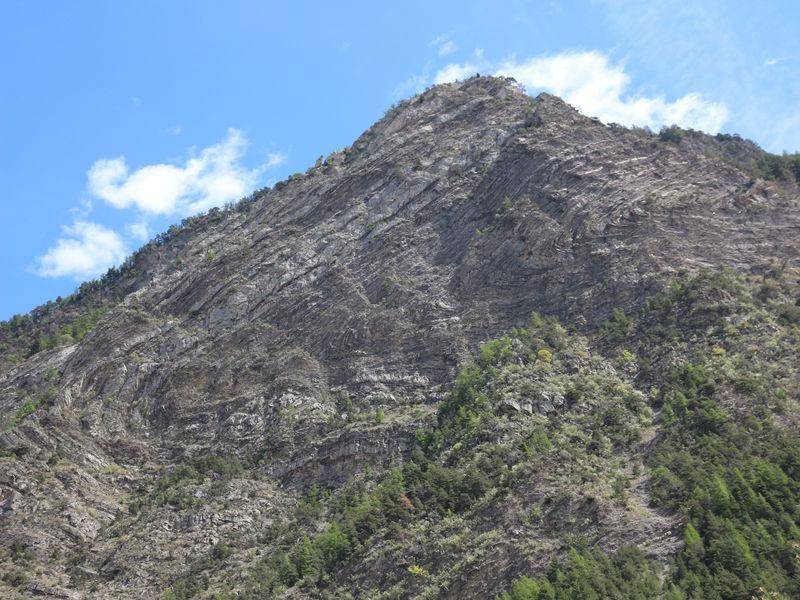
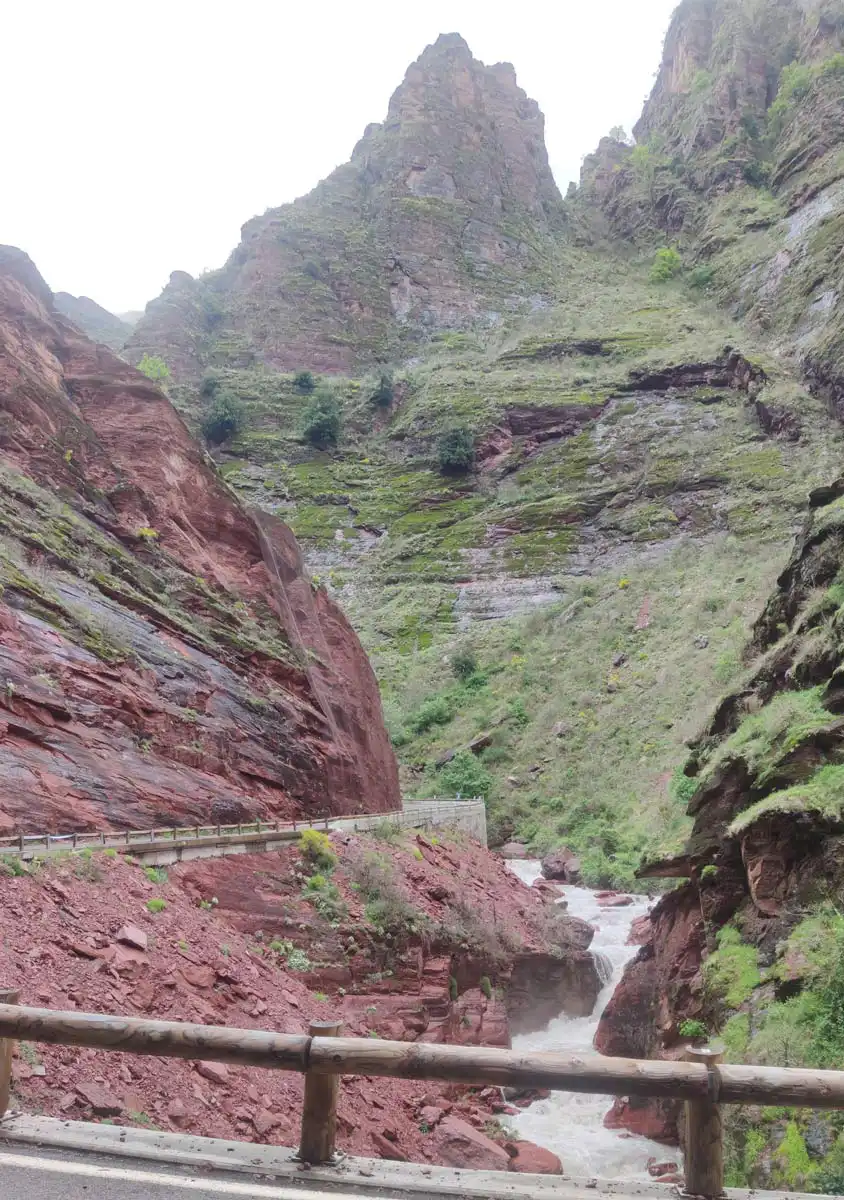
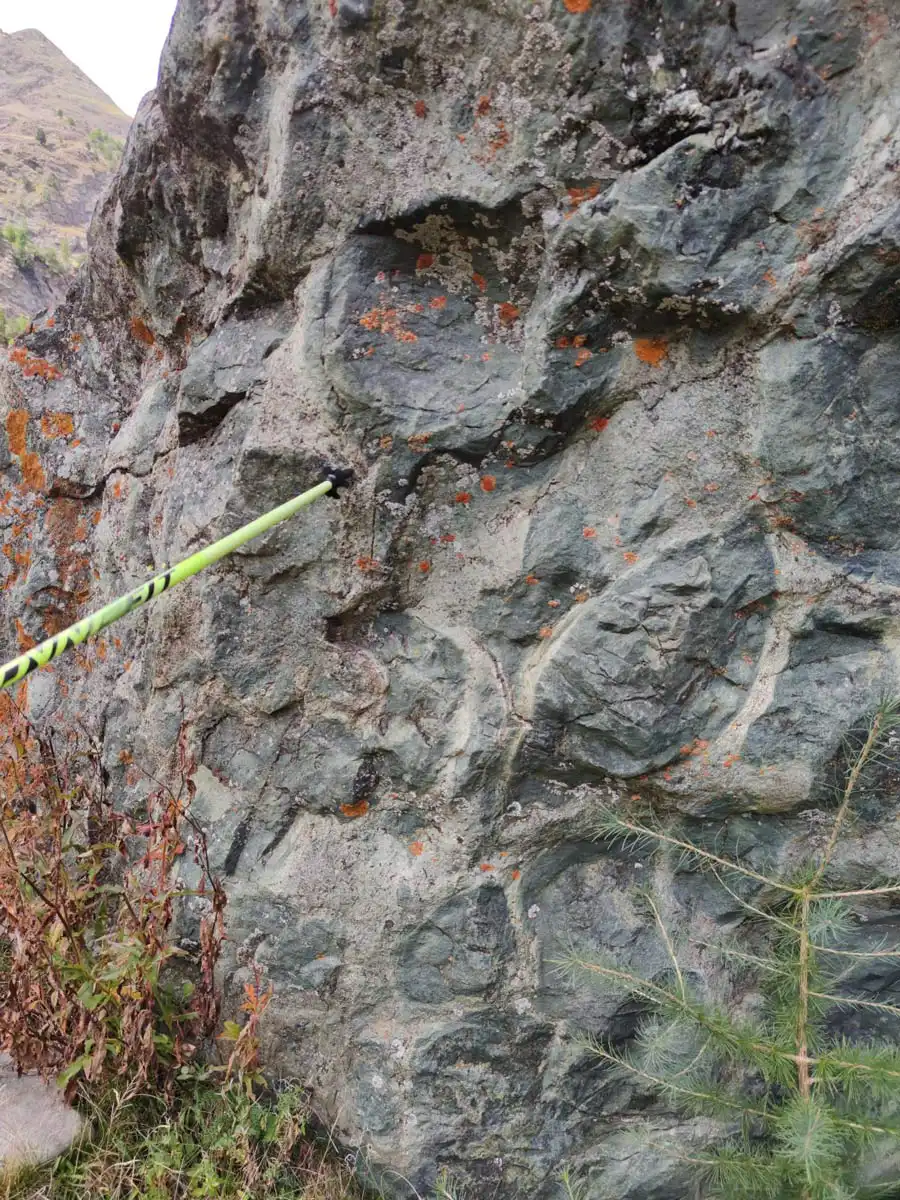
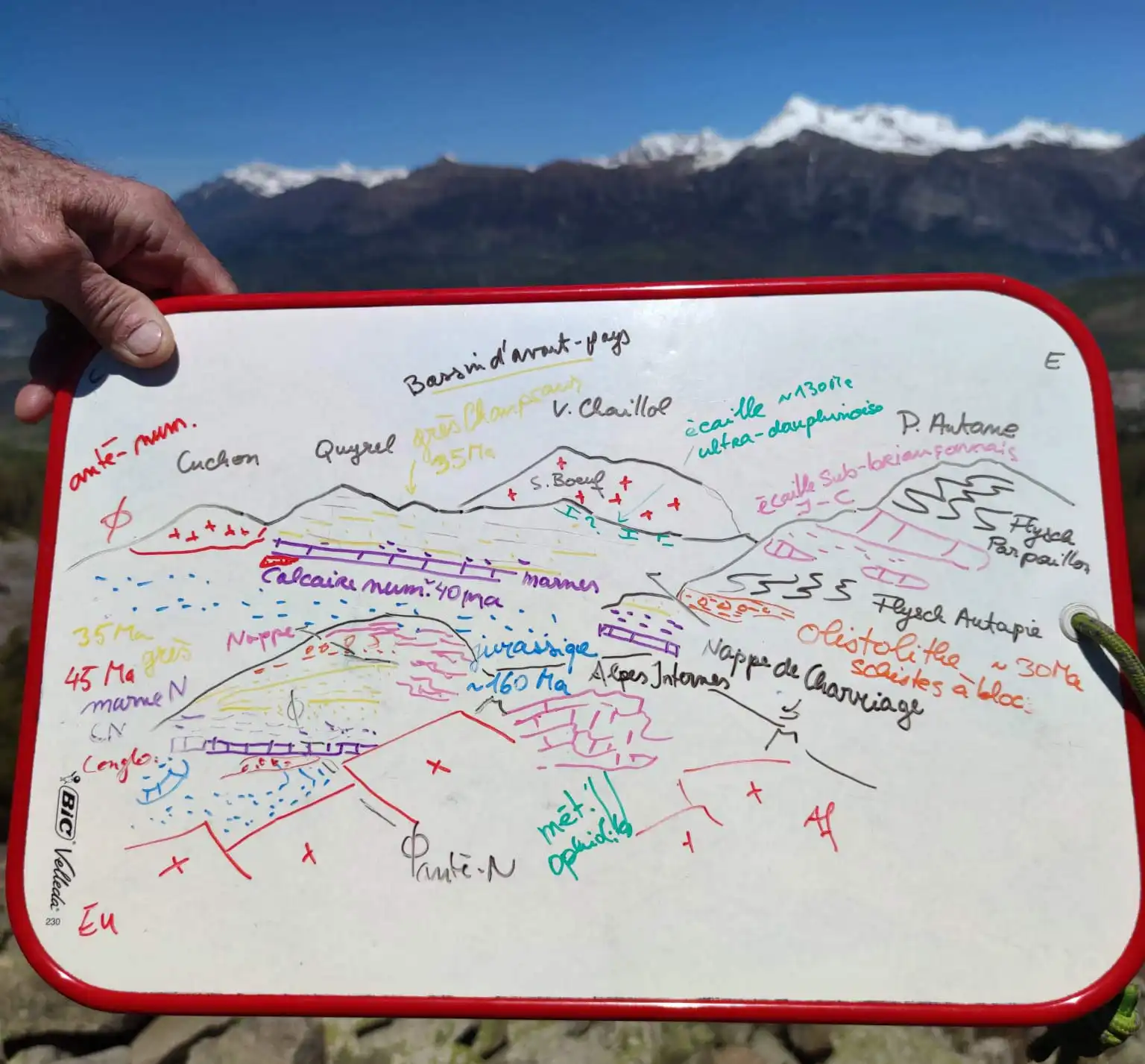
Travelling from the Oisans and Briançonnais to Digne and Annot, the trip explores major faults, Alpine thrust structures, ophiolitic remnants, blueschist metamorphism, salt-related basins and the world-class turbidite systems of the Grès d’Annot.
Along the way, participants will examine classic outcrops, discuss regional tectonic evolution and visit key sites that offer valuable analogues for basin analysis and subsurface interpretation
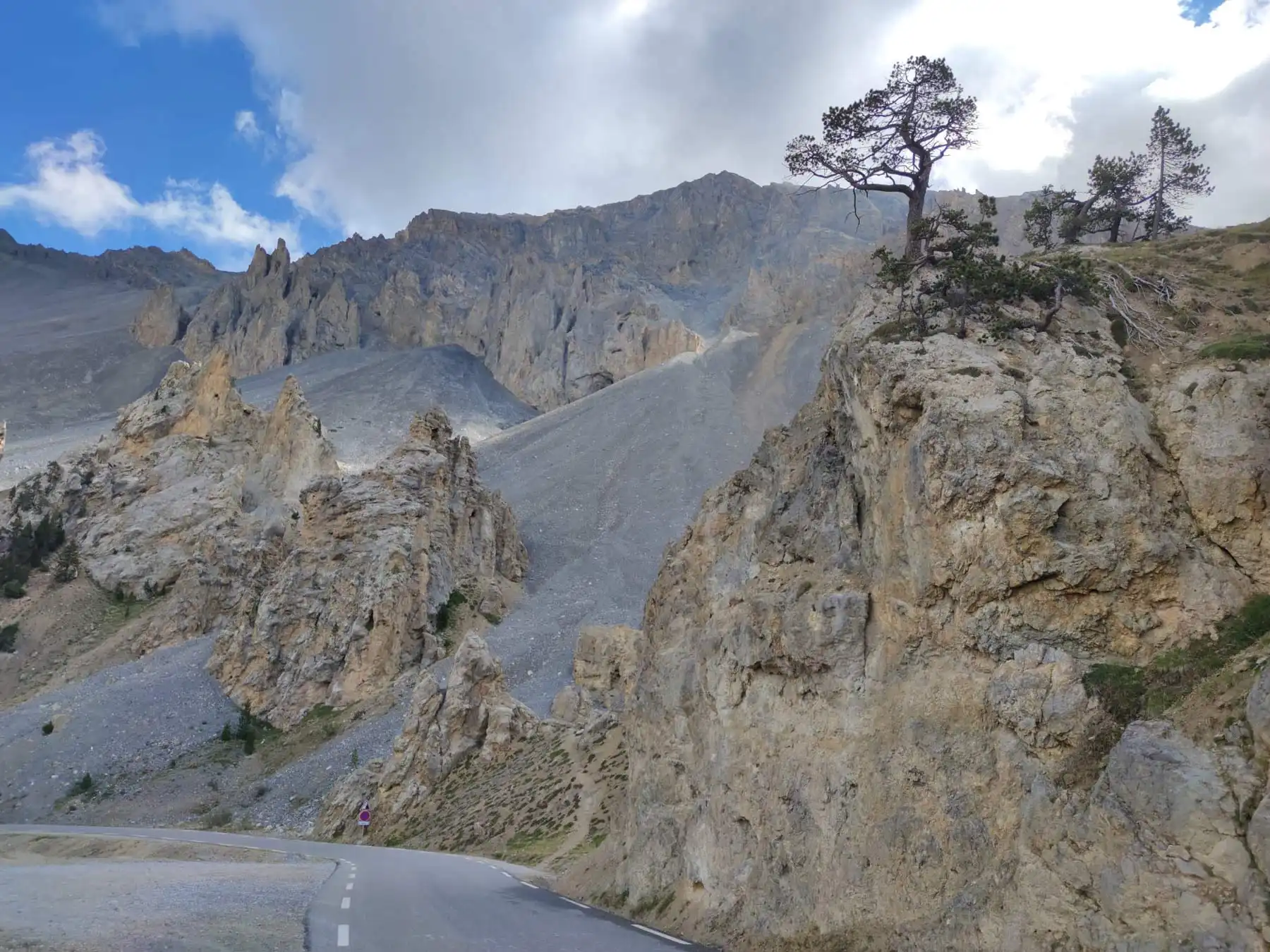
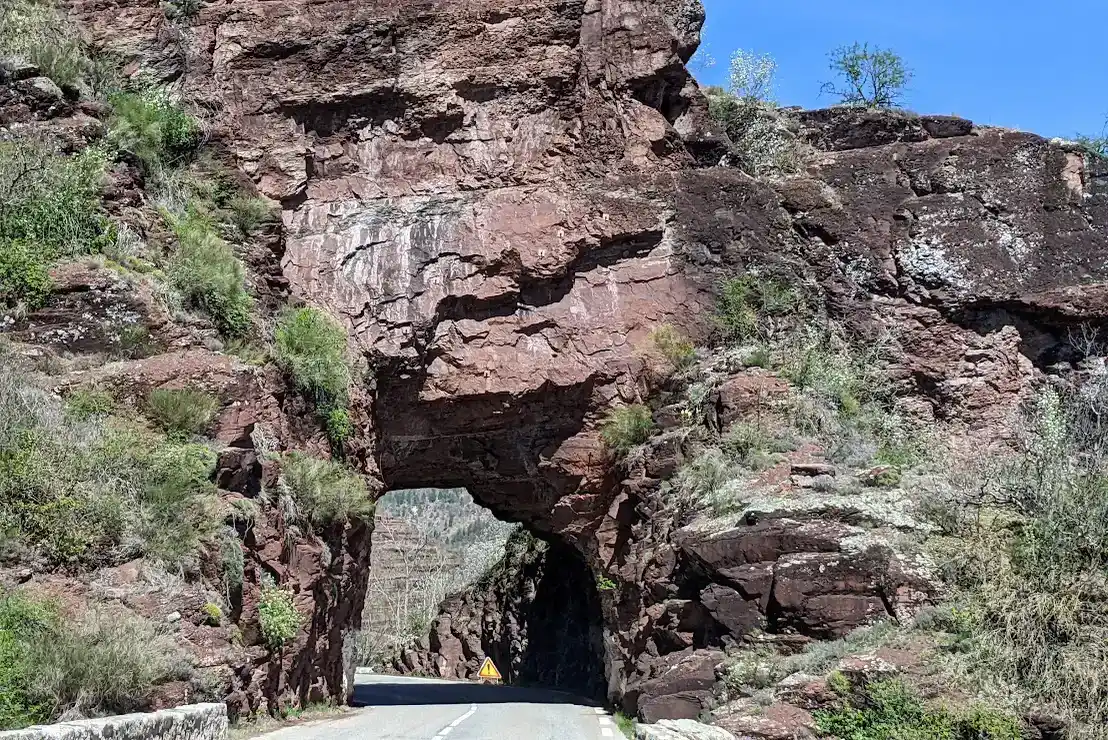
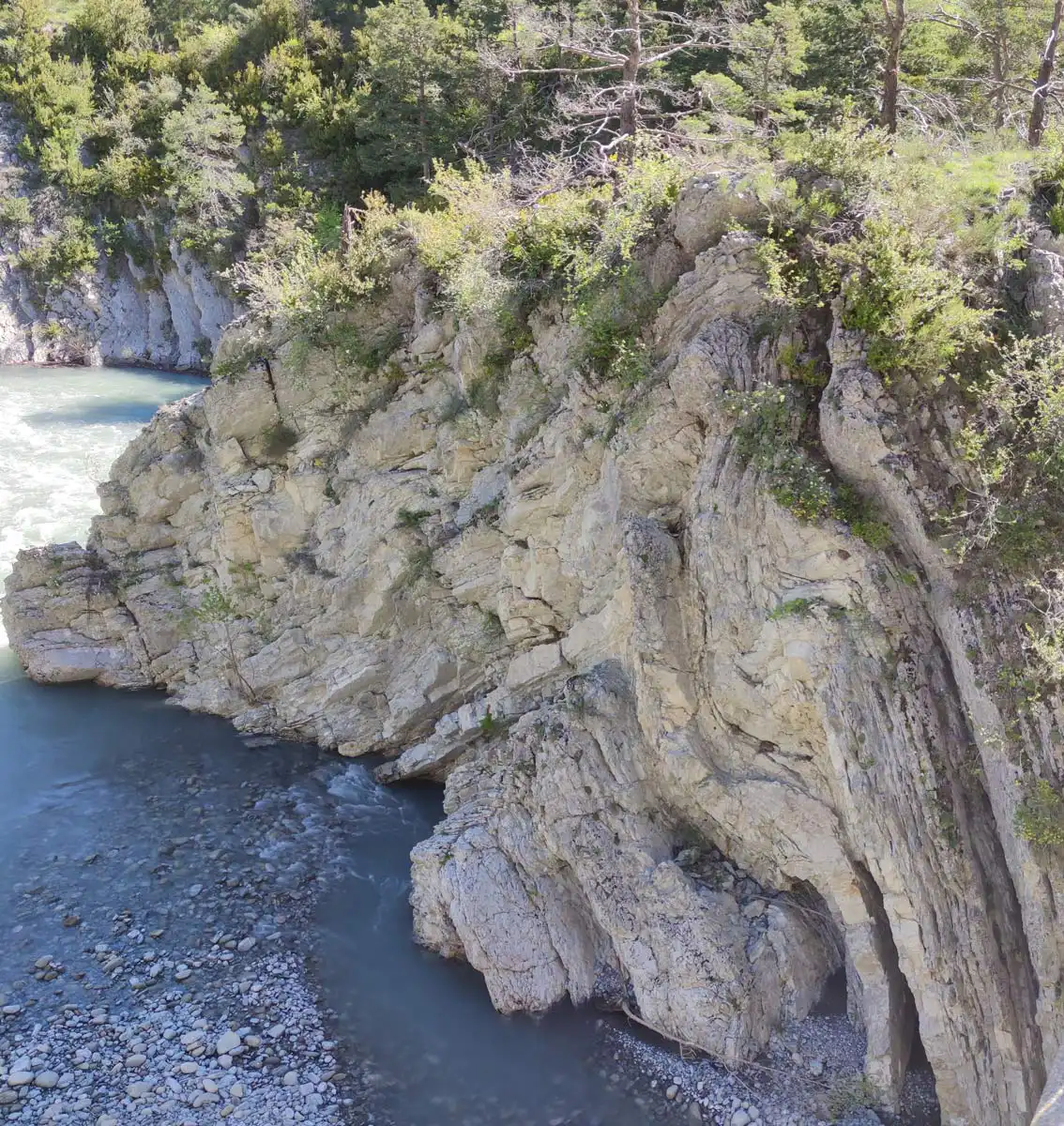
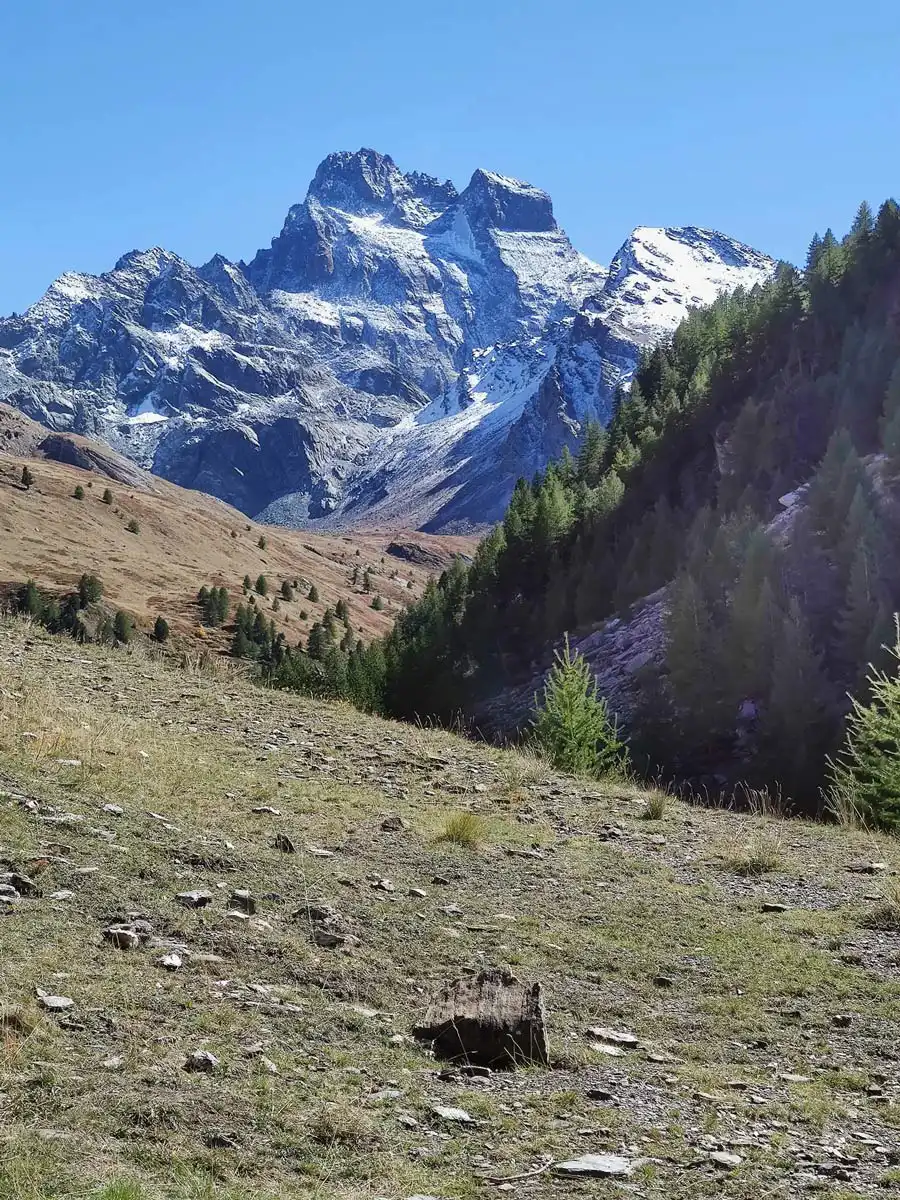
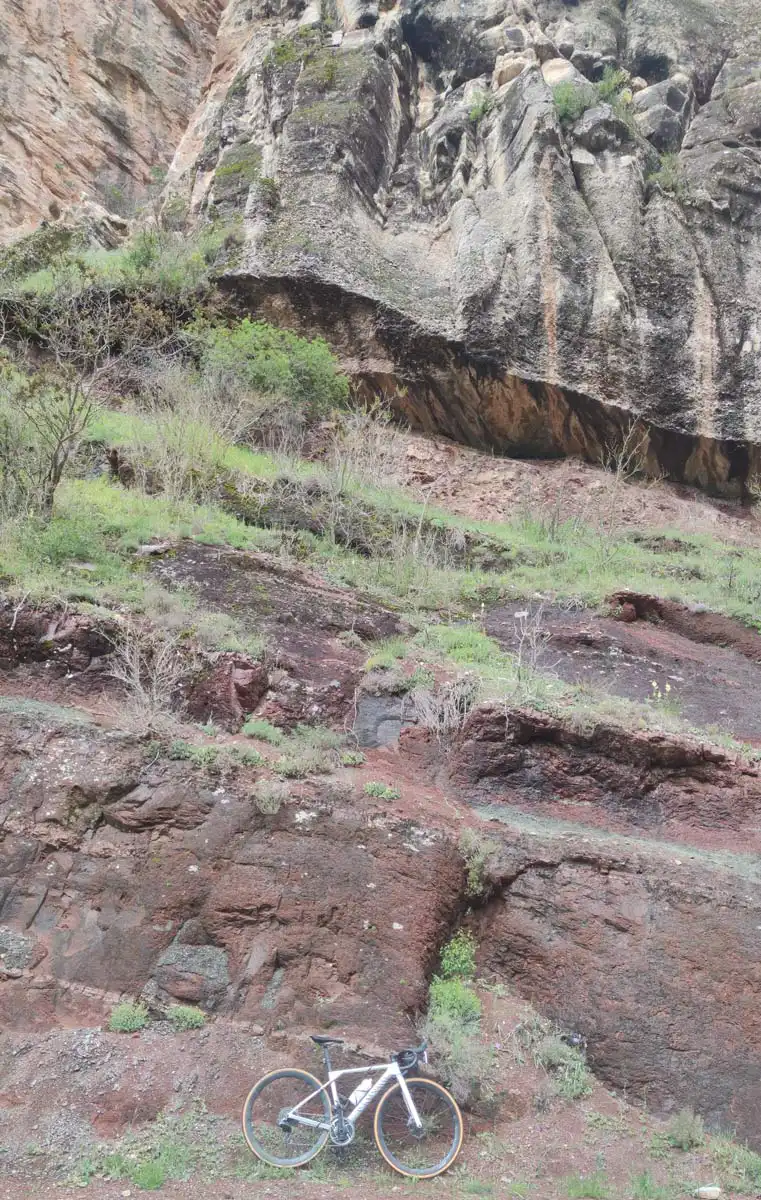
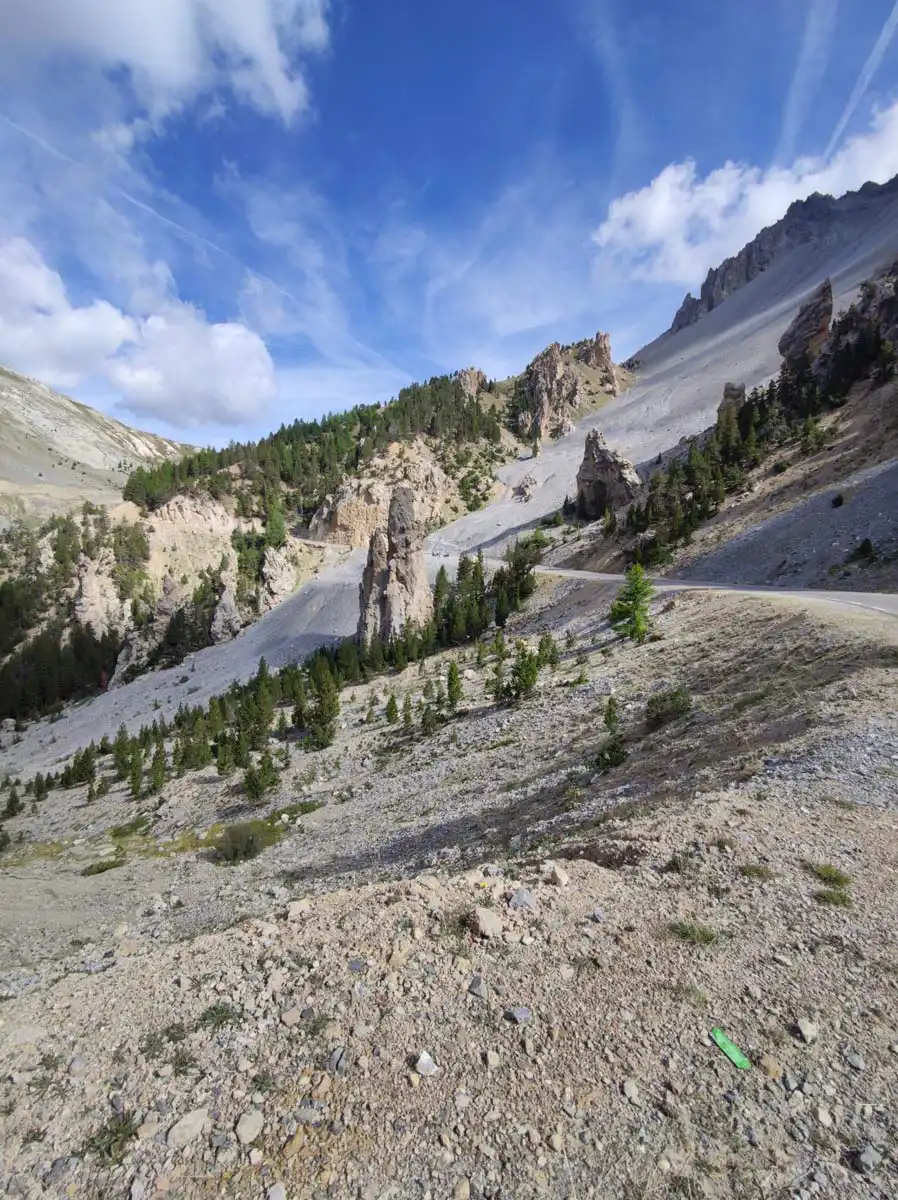
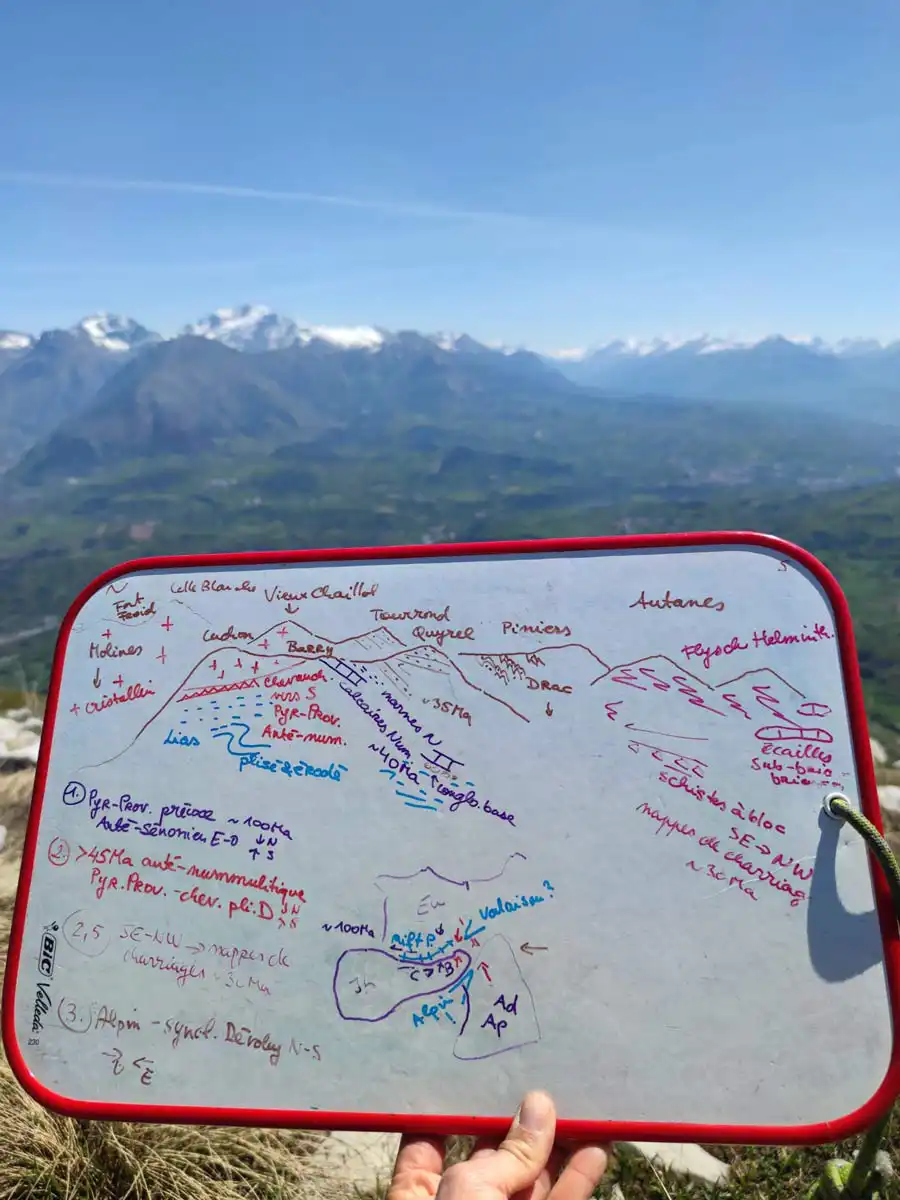
The southern French Alps provide an outstanding natural laboratory for understanding the tectono-stratigraphic evolution of an orogenic system, from Jurassic rifting and passive margin development to Alpine collision and foreland basin deposition. This journey from the Oisans and Briançonnais to Haute-Provence links key stages of basin formation, subduction, nappe emplacement and sedimentary basin evolution through a series of classic field sites.
On this trip, we focus on a carefully chosen sequence of outcrops and viewpoints that build this story step by step:
Together, these sites create a coherent field transect through the Alpine system and provide valuable insights for basin analysis, structural interpretation and subsurface analogue studies.
Your guides for this trip are Dr. Gillian Apps, Dr. Frank Peel and Dr. Marianna Jagercikova.
Marianna Jagercikova was born in Tchecoslovakia in 1985 and moved to France to study when she was 20 years old. Passionate about mountains and speleology, she studied the earth sciences at the University of Grenoble and Ecole Normale Supérieure in Lyon. She accomplished her PhD studies in environmental science (thesis title, "Quantifying the vertical solid matter transfers in soils by a multi-isotopic approach" ) at Aix - Marseille University and her main expertise is in structural geology, petrography, geochemistry, cosmogenic nuclides and French Alps geologic history.
She is actively involved in a scientific project dating caves in Dévoluy in France in collaboration with several French universities and leads geology field trips for universities and school groups in the French Alps. Marianna is also a climber (summiting Fitz Roy in 2016) and world champion in ski mountaineering in 2023 (sprint) and represented her country in the 2026 winter olympics. Maryanna combines her role as a professional athlete with her geology work and study. She holds a mountain leader certificate for leading groups in the mountains.
Gillian Apps is now retired and a visiting research scientist with the Applied Geodynamics Laboratory (AGL) at the Bureau of Economic Geology, UT Austin, having worked with the team over the last decade. She holds an MA in Natural Sciences (Earth Sciences) from the University of Cambridge and a PhD from the University of Liverpool, where she studied the impact of structural basin floor topography on turbidity currents and the stratigraphy of a deepwater system, the Grès d'Annot in the Alps of SE France.
During her 33-year long career in the oil and gas industry, she worked for Shell, BP and BHP, and her career spanned basin analysis through exploration to development of the Paleogene discovery Kaskida in the deepwater Gulf of Mexico and production geophysics in the Northern North Sea. She is a clastic sedimentologist and stratigrapher, with expertise in deepwater reservoirs, salt-sediment interactions, and deepwater fold and thrust belts. Her current research interests focus on deepwater turbidite stratigraphy and reservoir variability in structurally active basins. Outside her work with the AGL, Gillian is co-director of Appeel Geosciences Ltd, and she teaches field classes in Haute Provence, France.
Frank Peel is a geologist with 30 years experience in oil and gas exploration and 10 years as an academic researcher. At BP, he was an explorer and structural geology specialist, focusing on structurally complex basins including the UK North Sea, Iraq, the Gulf of Mexico, China and Vietnam. At BHP, he was hired as a technical structural specialist, working basins, prospects and developments across the world, including the GoM, West Africa, Trinidad, Pakistan and Australia. In 2006, Frank bacame Chief Geologist at BHP, responsible for prospect integrity and for ensuring the consistency of risk and volume assessment across the global company.
In 2013, Frank joined the research team at the National Oceanography Institute in Southampton, UK. In 2016, he became a senior research scientist at the Applied Geodynamics Laboratory in the Bureau of Economic Geology at the University of Texas at Austin, where he has focused on research into salt-related geology, with focus on salt tectonics, salt-sediment interactions, the regional geology of the Gulf of Mexico and Iran salt basins, and the processes of deposition of giant salt deposits.
They will be with you for the duration of the trip and sharing their expertise and insights into this magnificent and varied geological terrain over the course of the trip.
In addition to your three geology guides you will have a qualified mountain leader who is also a passionate geologist studying for a phd to help with general logistics and safety in the mountains.
You need to be a member of HGS to join this trip so a passion for geology is a pre-requisite! Whilst some of the sites are accessible by coach, others involve walking and hiking in the mountains to access the sites. You will need a moderate level of fitness and co-ordination to walk on mountain paths to fully enjoy and experience everything on offer during this trip.
Your trip begins and ends in Lyon, one of France’s best-connected transport hubs.
On Day 1, the group meets at 9:00am at Lyon Saint-Exupéry Airport / TGV station. The airport and high-speed train station are located in the same place, making it easy to arrive either by international flight or by rail from across France and Europe. Please arrange your own travel to Lyon.
We recommend arriving at least one day before the start of the trip. This allows time to recover from travel, particularly for long-haul flights, and to enjoy Lyon’s historic old town and renowned food scene before the field programme begins.
At the end of the trip, you will be dropped back in Lyon in the afternoon of the final day. You can choose to book a late return flight or extend your stay with an additional night in the city.
If you would like advice on flights, trains or accommodation in Lyon, we are happy to help.