
Staying in a Mountain Refuge in Winter: What to Expect
Staying overnight in a mountain refuge is one of the experiences that makes a winter journey through
Read MorePosted 08-04-2026 by Sally
Summer holiday planning often begins with broad intentions — time together, a change of scene, something that feels worthwhile. But fairly quickly, the question becomes more precise: what sort of holiday will actually suit us?
For those considering the Alps, the term “activity holiday” can raise as many questions as it answers. Will it be too demanding? Will the children enjoy it? Is it carefully organised or slightly chaotic? How do we choose which activities to do? Do we all have to do the same things?
As Sally Guillaume, founder of Undiscovered Mountains, explains after more than 20 years running family activity holidays in the Alps:
“The real challenge for most families isn’t a lack of choice — it’s the opposite. There is so much information out there that it can be hard to know what to focus on. Then you have the family itself: different personalities, different interests, different fitness levels and different comfort zones. There is no single holiday format that suits everyone. The key is finding one flexible enough to work around those differences.”
This article gives a clear, realistic picture of what a family activity holiday in the Alps involves, so you can decide whether it is the right fit for your family. You can also read our blog on what at a typical week on a family activity holiday looks like.
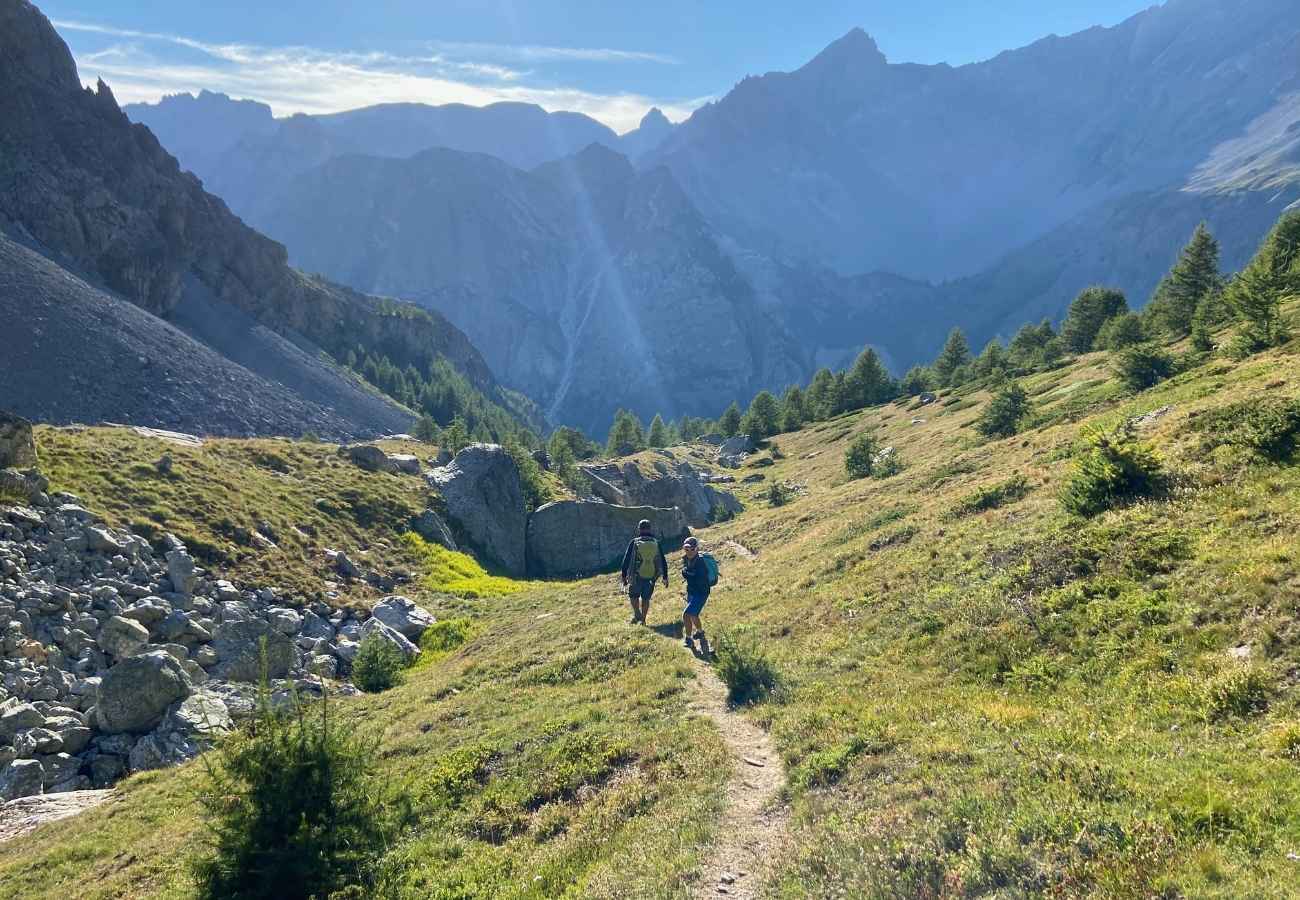
A family activity holiday in the Alps is not a single activity repeated each day. Instead, it is a structured mix of organised outdoor experiences, balanced with time to rest.
A typical week might include:
The key difference from a more conventional holiday is that the days have purpose and variety, without being overly rigid.
.jpg)
No family is made up of identical people. One child may be excited by white-water rafting while another is more cautious. One parent may want a proper mountain walk, while another may prefer a gentler day by a lake.
Teenagers may want challenge and independence; younger children may need shorter activities and more downtime. This is where the format of the holiday matters.
A well-designed family activity holiday should not force everyone into the same mould or expect everyone to do the same things. It should allow the week to be shaped around your family’s ages, interests, confidence levels and energy. For some families, that might mean a week with several guided activities and one or two quieter days.
For others, it might mean splitting the group occasionally, so that those who want more challenge can do it, while others choose something gentler. The aim is not to pack the week with as much as possible. It is to create the right balance.
Not always — but it is often worth doing some activities together.
A good family activity holiday should allow for different interests, confidence levels and comfort zones. That might mean splitting up occasionally, with one part of the family choosing a more challenging activity while others do something gentler or take time out.
But compromise is also part of the experience. One child may be reluctant to try a nature walk but agree to it because everyone else is joining in. A parent may feel nervous about canyoning but decide to give it a go because it matters to their child. Very often, these shared moments become the parts of the holiday people remember most.
The aim is not for everyone to love every activity equally. It is to create a week where each person feels considered, and where the family can try things together without anyone feeling pushed too far.
Fixed itineraries tend to offer less flexibility, while tailor-made family activity holidays allow the week to be shaped more carefully around different personalities, ages and abilities.
These holidays tend to suit families who:
They work particularly well for children who are:
For many parents, there is also a quieter benefit: time together without the usual distractions.
It is equally useful to be clear about when this type of holiday may not be the best fit.
It may feel less suitable if your family:
None of these preferences are wrong — they simply point towards a different style of holiday.
In practice, family activity holidays are designed to be accessible rather than extreme but with options for challenge and adrenalin when it's required. Activities are chosen with mixed ages in mind, and good providers adapt plans to the group.
As a general guide:
Ages 6–10: often the most enthusiastic
Ages 11–16: engage well with challenge and progression
Older teenagers: value independence and more demanding options
For example, some activities such as via ferrata have routes specifically designed for younger children, with appropriate equipment and layouts.
The key point is that these holidays are not about performance. They are about taking part and building confidence over the holiday.
.jpg)
Many people overestimate how physically demanding these holidays are.
A typical day might involve:
a few hours of activity (often with breaks)
moderate walking rather than long-distance hiking
optional elements for those who want more
Well-designed itineraries aim for steady, manageable effort, not exhaustion. The level of activity can also be adjusted across the week, which is another reason flexibility matters when travelling as a family.
Children rarely describe these holidays in terms of scenery or location. What they tend to remember is:
Activities such as rafting, climbing or navigating simple mountain terrain tend to create natural engagement.
For teenagers, the appeal often lies in having the opportunity to try more challenging or adrenalin-focused activities.
This balance is important — particularly for families trying to find something that works across different ages.
This is one of the most common comparisons.
A beach holiday typically offers:
A family activity holiday in the Alps offers:
Neither is inherently better. The choice depends on how your family prefers to spend time together.
All-inclusive holidays can look appealing at first glance, particularly when comparing overall costs. However, for an activity-based family holiday, they can introduce a level of rigidity that does not always suit the way the week naturally unfolds.
If meals are included at set times each day, there is often an expectation to return to your accommodation in the evening. In practice, this can mean leaving the lake just as the temperature softens, or cutting short time in a village because you have already committed to dinner elsewhere.
It can also limit how you eat across the week. Some evenings, a full meal may be welcome. On others, particularly after a warm day outdoors, something simpler may be more appealing — a pizza, a light meal, or a local restaurant discovered nearby.
There is also the question of value. All-inclusive pricing is typically based on a generous level of consumption. For families with younger children, lighter appetites or varied preferences, this can mean paying for meals that are not fully used.
In many cases, this model also works best at a larger scale, which can create a more standardised experience. For families looking for something more flexible or personalised, this may not always be the best fit.
For this reason, a more flexible approach often works better for activity holidays. Paying as you go allows each day to be shaped around how you feel, where you are, and what your family actually wants. It also creates more opportunity to experience local restaurants, markets and regional food, rather than eating in the same place each evening.
The aim is not necessarily to spend more or less, but to avoid committing to a structure that may not suit the rhythm of your holiday.
With qualified guides, appropriate equipment and carefully chosen activities, family activity holidays in the Alps are well managed and structured.
This is one reason it is worth booking through a specialist organisation rather than piecing activities together online yourself. A good operator will already have checked the providers they work with, including their qualifications, insurance, safety procedures and experience with families.
Safety is built into the experience through:
The aim is not to remove all challenge, but to make sure it is appropriate and well controlled.
A family activity holiday in the Alps is not about pushing limits or filling every moment.
At its best, it offers:
For families who enjoy being active and value shared experiences, it can be a very natural fit.
For those looking primarily to rest, or who prefer a more predictable rhythm, a different style of holiday may suit better.
The key is not choosing the “best” holiday, but choosing the one that matches how your family actually likes to spend time together. For families looking for this kind of balance, a well-designed family activity holiday in the Alps can be a very natural fit.
Staying overnight in a mountain refuge is one of the experiences that makes a winter journey through
Read More
When you picture a winter holiday in the French Alps, downhill skiing is probably one of the first t
Read More
When most people picture a walking holiday in the French Alps, they probably think of summer. The hi
Read More
The Alps have a way of making you feel very small, in the best possible way. From snow-covered peaks
Read More
0 comments
Submit a comment