
Staying in a Mountain Refuge in Winter: What to Expect
Staying overnight in a mountain refuge is one of the experiences that makes a winter journey through
Read MorePosted 31-08-2026 by Léa Papillon
The Alps have a way of making you feel very small, in the best possible way.
From snow-covered peaks and quiet alpine lakes to winding mountain trails, dramatic valleys and remote villages, there is something special about spending time in the mountains. And whether you're hiking through an alpine meadow, ski touring through fresh snow, climbing above a valley or rafting down a mountain river, the Alps offer endless ways to explore them.
But with that freedom comes a little responsibility.
The mountains aren't simply a playground. They are home to wildlife, fragile ecosystems and communities that have lived and worked in these landscapes for generations. They are also shared by hikers, skiers, climbers, cyclists, trail runners, guides and plenty of other outdoor enthusiasts.
That's where mountain etiquette comes in.
There isn't one official rulebook for enjoying the Alps, but there are a few unwritten rules worth knowing. Most of them come down to one simple principle: enjoy the mountains while respecting the people, wildlife and environment around you.
Whether you're visiting the Alps for a weekend adventure or spending an entire season exploring them, here's what to do, and what to avoid, along the way.
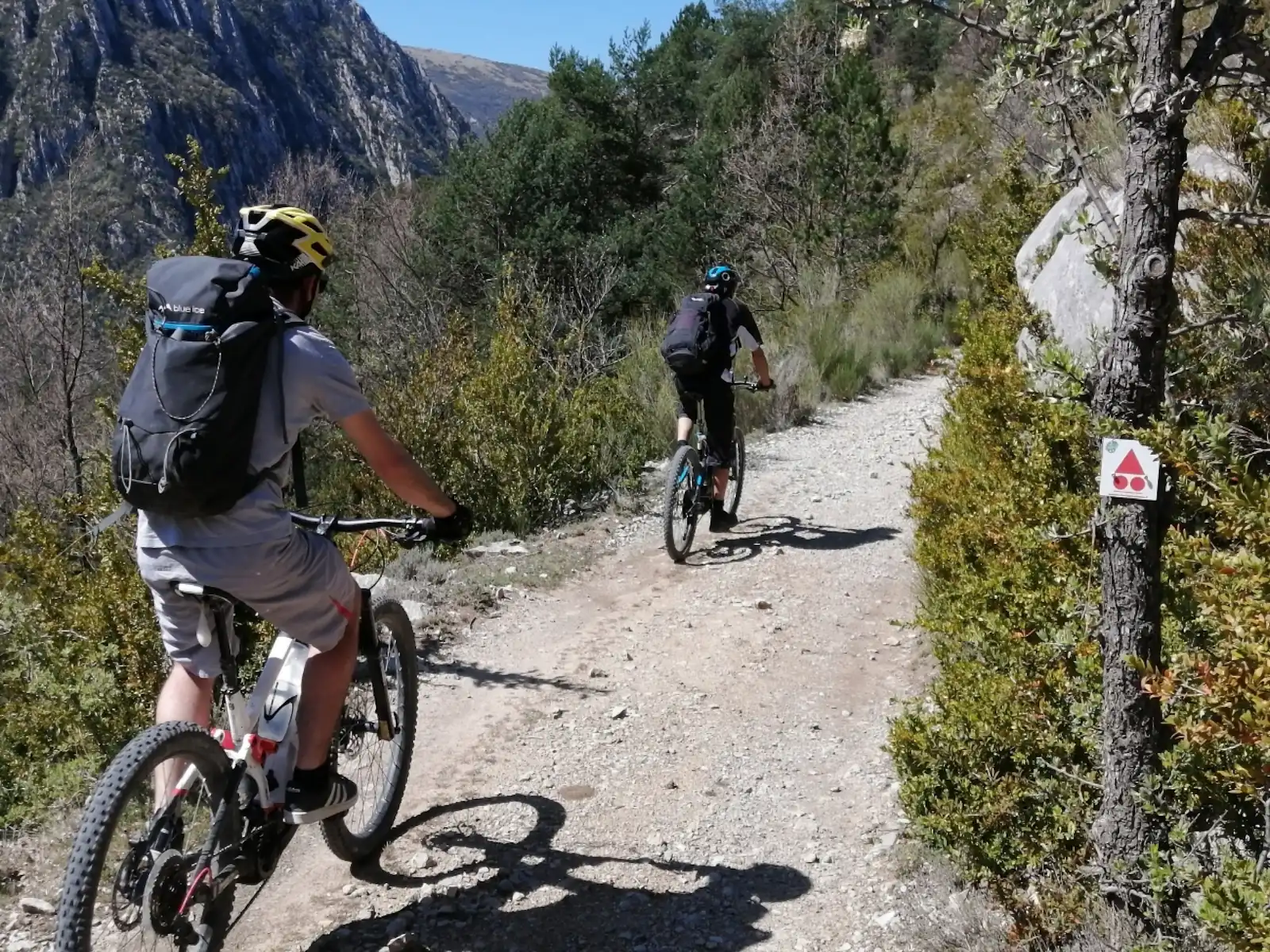
The Alps may feel wild and untouched, but they're also carefully managed environments. Some areas are protected, some are privately owned, and others are home to fragile ecosystems that can be easily disturbed.
Whether you're following a hiking trail, heading into the backcountry on skis or finding your own line on a mountain bike, knowing where you can and can't go is an important part of responsible mountain exploration.
Not every part of the mountains is open for exploration. You may come across protected natural areas, private land, ski area boundaries, avalanche closures or seasonal restrictions.
Always pay attention to signs and local guidance, and check conditions before setting off.
That doesn't mean you have to stay on a marked path for every adventure. Some activities, such as ski touring, climbing or backcountry exploration, naturally take you beyond established trails. The key is knowing when you're allowed to do so and understanding the environment you're entering.
There can be a fine line between exploring freely and leaving a lasting mark on the landscape.
Avoid creating your own shortcuts, paths or riding lines simply because they look quicker or more exciting. Cutting across sensitive areas can disturb habitats and turn a single passage into a permanent unofficial route as others follow behind.
If you're mountain biking, choose appropriate terrain rather than creating new tracks. If you're hiking, stick to the existing trail where one is available. And if you're ski touring or exploring off-piste, be mindful of protected areas and the conditions around you.
The goal isn't to avoid exploring. It's to explore without unnecessarily changing the mountain in the process.
Whatever you bring into the mountains, bring it back out.
Food wrappers, tissues, bottles and other rubbish don't disappear just because you're surrounded by nature. Even food scraps that seem harmless can affect wildlife and take much longer to break down than you might expect.
A small rubbish bag in your backpack makes it easy to carry everything home with you.
And Leave No Trace goes beyond litter. Avoid damaging vegetation, disturbing natural features or leaving equipment behind. Whether you've spent the day climbing, paddling, mountain biking or exploring the backcountry, the goal is to leave the landscape looking as though you were never there.
Wildflowers are one of the joys of the Alps, particularly in spring and summer. But they're also part of an incredibly delicate ecosystem.
Resist the temptation to pick flowers, collect plants or take rocks and other natural features home as souvenirs. Some species are rare or protected, and even common alpine plants have adapted to difficult conditions where growth can be slow.
Take the photo instead. It lasts longer, and everyone gets to enjoy the view.
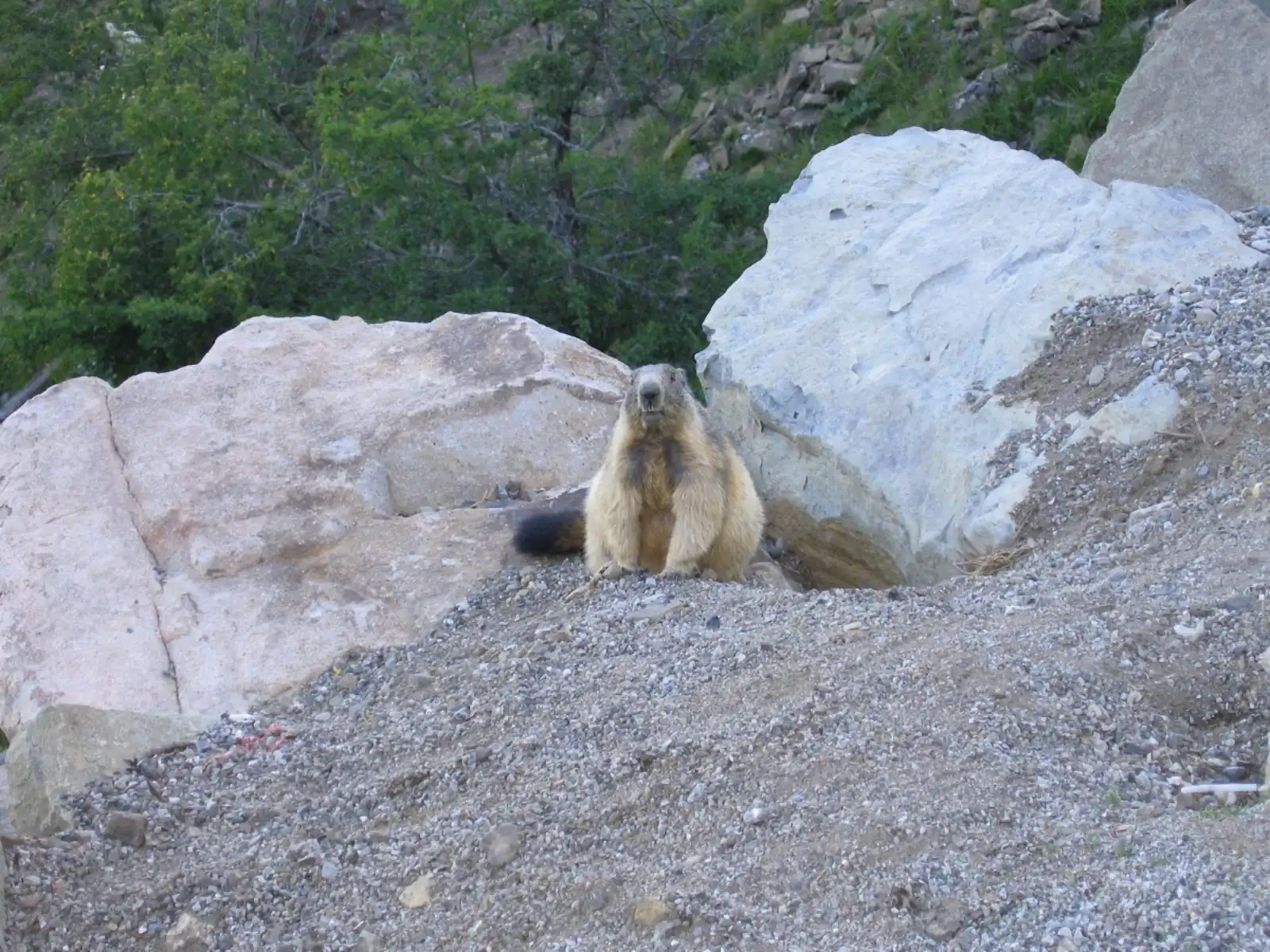
One of the most memorable parts of exploring the Alps can be encountering the animals that call the mountains home.
You might spot marmots sunbathing on a rock, chamois moving across a steep slope, birds of prey circling above a valley or cows grazing in an alpine pasture. These encounters are special precisely because they happen in the animals' natural environment.
The best wildlife encounter is one where the animal barely notices you're there.
If you see wildlife, slow down, keep your distance and observe quietly. Don't surround an animal, follow it or try to get closer for a photo.
This is particularly important during sensitive periods such as breeding or nesting seasons.
Winter requires even more consideration. Animals living in the mountains have limited energy reserves during the colder months, and being disturbed can force them to use precious energy they need to survive.
So if a chamois disappears behind a ridge or a marmot heads back into its burrow, let it go. Sometimes the best wildlife encounter is the one you simply observe from a distance.
It can be tempting to share a snack with a curious animal, but feeding wildlife can change their natural behaviour and make them increasingly reliant on food from humans.
This is particularly relevant with marmots, which have become a familiar sight in Alpine destinations and a popular subject for content online. You may come across social media posts showing people feeding or even touching them, but these encounters shouldn't be taken as an example to follow. Wild animals are still wild animals, and repeated feeding can encourage them to associate humans with food and disrupt their natural behaviour.
The same applies to approaching animals for photos. A close-up might make a great post, but getting close can cause stress and make an animal feel threatened.
Enjoy the moment, take your photo from a respectful distance, and let the animal carry on with its day.
Marmots are one of the Alps' most recognisable animals, and one of the easiest to spot in the right places. If you'd like to learn more about these curious mountain residents, have a read of our guide to Marmots in the Mountains.
And remember that wildlife isn't limited to remote peaks. Livestock is a familiar part of the Alpine landscape too.
Alpine pastures are working landscapes, not just beautiful places to explore.
If you're hiking or mountain biking through an area with cows, sheep, goats or horses, give them plenty of space and avoid sudden movements. Never deliberately approach or touch animals, particularly when young animals are nearby.
You may also encounter livestock guardian dogs, particularly around sheep and goat herds. These dogs are there to protect the animals from predators, so their behaviour can seem intimidating when they approach, bark or try to block your path. They're doing their job, not trying to be aggressive towards you.
If you encounter a herd, give it a wide berth and avoid walking directly through the animals. If a guardian dog approaches, stay calm, stop and allow it to identify you. Don't try to pet, feed or photograph the dog, and avoid making threatening movements. If you're cycling, it's best to dismount and walk your bike until you've passed the flock.
If you're travelling with your own dog, keep it on a lead and avoid letting it approach the herd or its guardian dogs.
If you encounter a gate, close it behind you unless signs indicate otherwise. And if you're unsure how to react to a particular situation, follow local signage or guidance from the shepherd.
The mountains are their home too, and respecting livestock and the people who care for it is part of being a responsible mountain visitor.
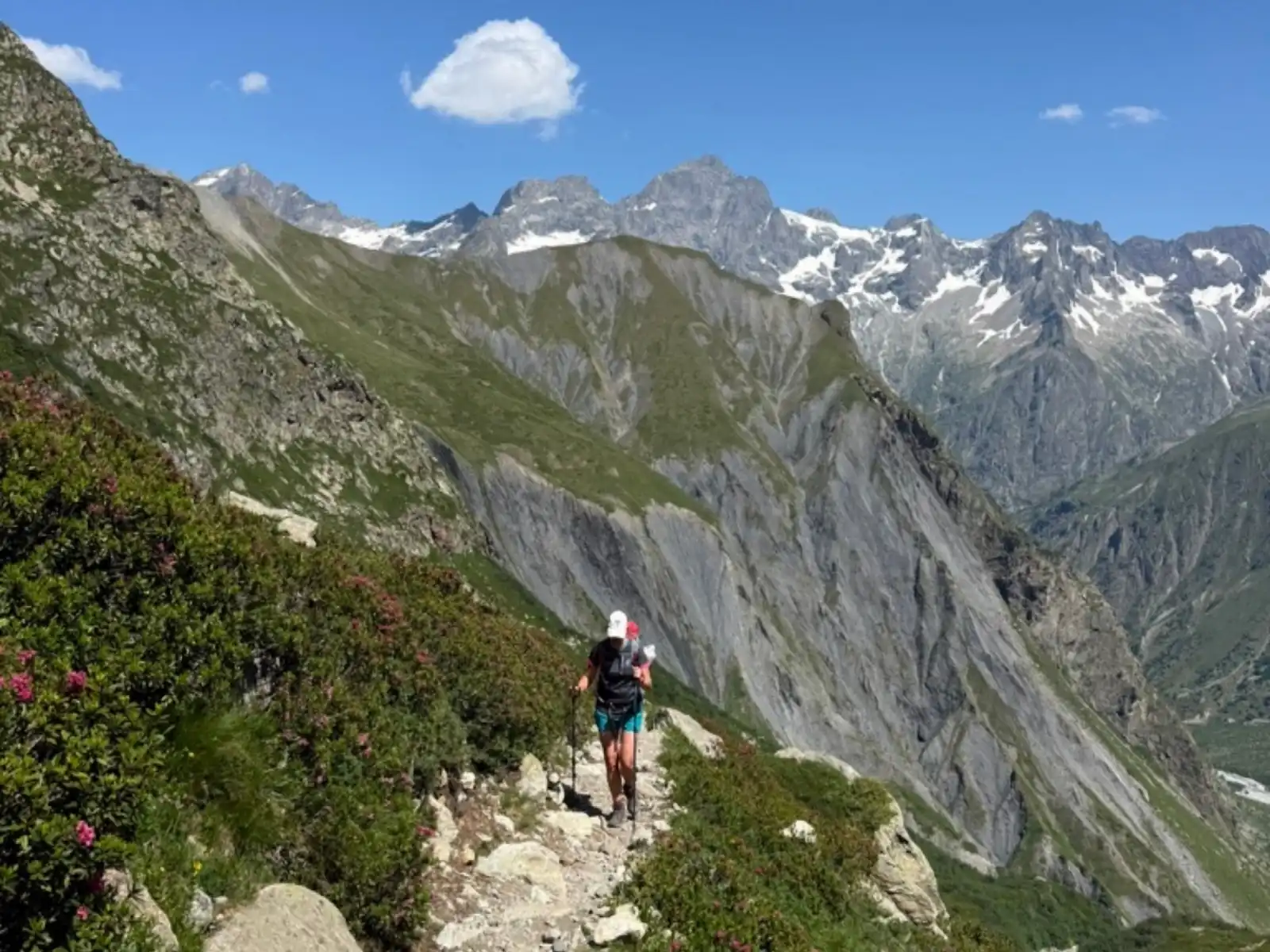
The Alps are shared by many different types of adventurers.
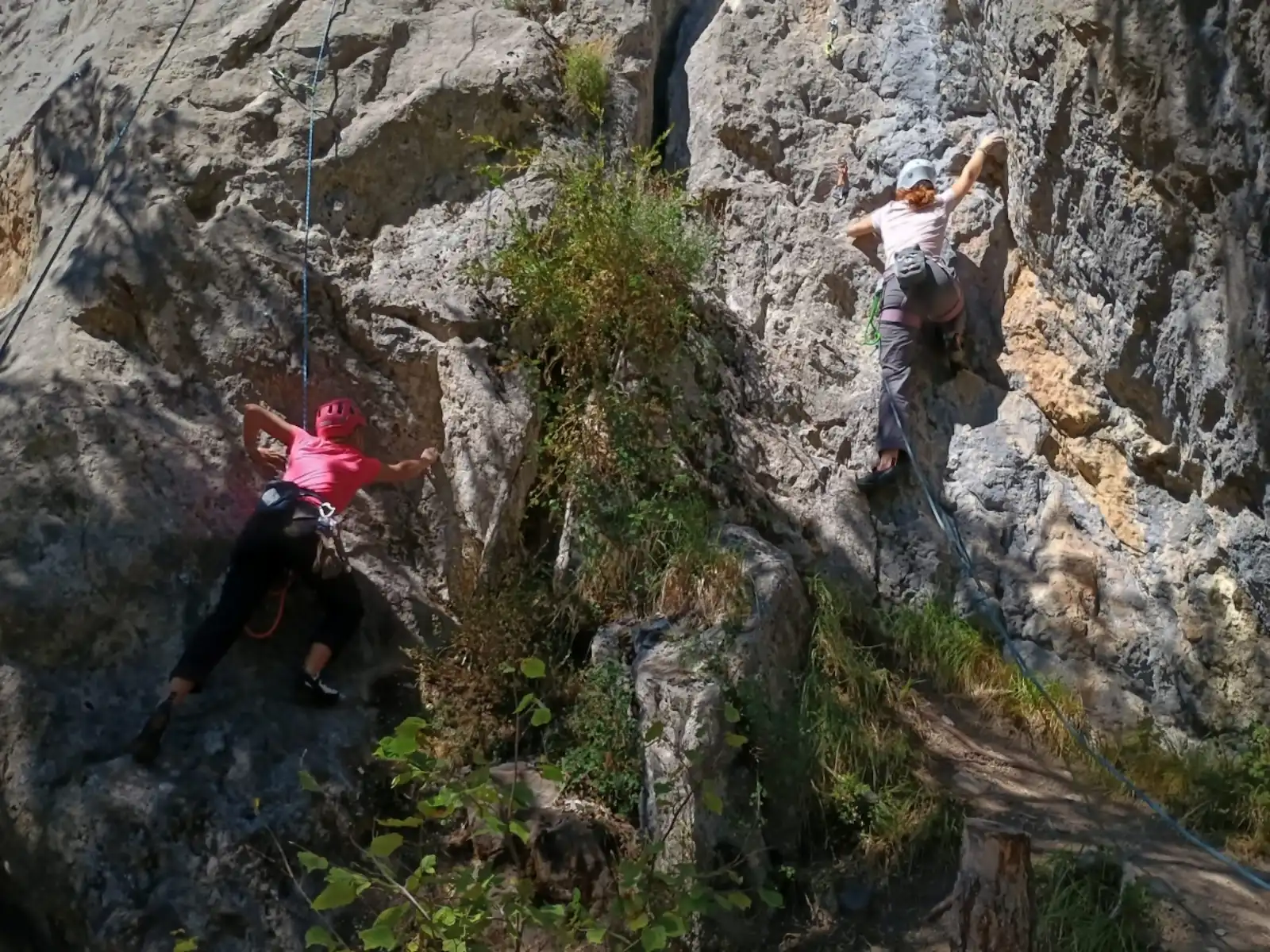
Depending on the season, you might encounter a family hiking to a lake, a trail runner heading uphill, mountain bikers descending a route or climbers carrying equipment towards a crag. In winter, you may also share the mountains with ski tourers making their way into the backcountry.
Everyone has a slightly different reason for being there.
Being considerate of other people makes everyone's experience better.
On narrow trails, slow down when necessary and give others enough space to pass safely. Be aware of what's happening around you rather than assuming that everyone will move out of your way.
The same applies across different activities. Mountain bikers should be conscious of hikers and other trail users, while skiers and snowboarders should remain aware of those around them on the slopes.
And if you're climbing, remember that popular routes and crags can be shared spaces too. Be patient, communicate with other climbers and avoid unnecessarily blocking access to routes.
The mountains aren't a private playground. There's room for everyone.
One of the biggest reasons people head into the mountains is to escape the noise of everyday life.
That makes loud music particularly disruptive.
Whether you're hiking, snowshoeing, climbing or enjoying a picnic beside an alpine lake, keep speakers at home or use headphones if you want to listen to music. You'll enjoy the sounds of the mountains instead: wind through the trees, flowing water, birds chirping, or a very peaceful silence.
It's better for the people around you, and it's better for wildlife too.
Sometimes you'll want to move quickly. That's part of the fun of trail running, mountain biking or skiing. But speed should never come at the expense of other people's safety.
Give people enough warning before overtaking, slow down in busy areas and adapt your pace to the conditions.
Remember that people around you may have very different levels of experience. A little patience goes a long way.
The Alps aren't an empty wilderness.
Across the region, mountain villages are home to people who live, work and raise families there all year round. Tourism plays an important role in many of these communities, but being a visitor means remembering that you're entering someone's home.
The charming mountain villages scattered throughout the Alps are part of what makes exploring the region so special. From traditional architecture and local cafés to narrow streets and beautiful valley views, they're well worth taking the time to discover.
But behind the postcard-perfect scenery, these villages are also people's homes. Residents live, work and go about their everyday lives here all year round, not just during the tourist season.
When visiting, park only in designated areas, avoid blocking roads or driveways, respect private property and keep noise levels down, particularly early in the morning or late at night.
This is especially important in smaller villages and remote valleys, where roads and parking areas can be limited.
Take the time to enjoy the village, but remember that you're a guest in someone's home.
One of the best ways to have a positive impact is to spend locally.
After a day of rafting, climbing, hiking or mountain biking, stop at a local café or restaurant. Buy something from a local shop, choose a local guide or pick up regional products to take home.
Tourism can be a powerful way to support mountain communities, and choosing local businesses helps ensure that more of that benefit stays in the destination.
And if you're looking for another way to connect with the places you visit, discovering local Alpine food is a great place to start.
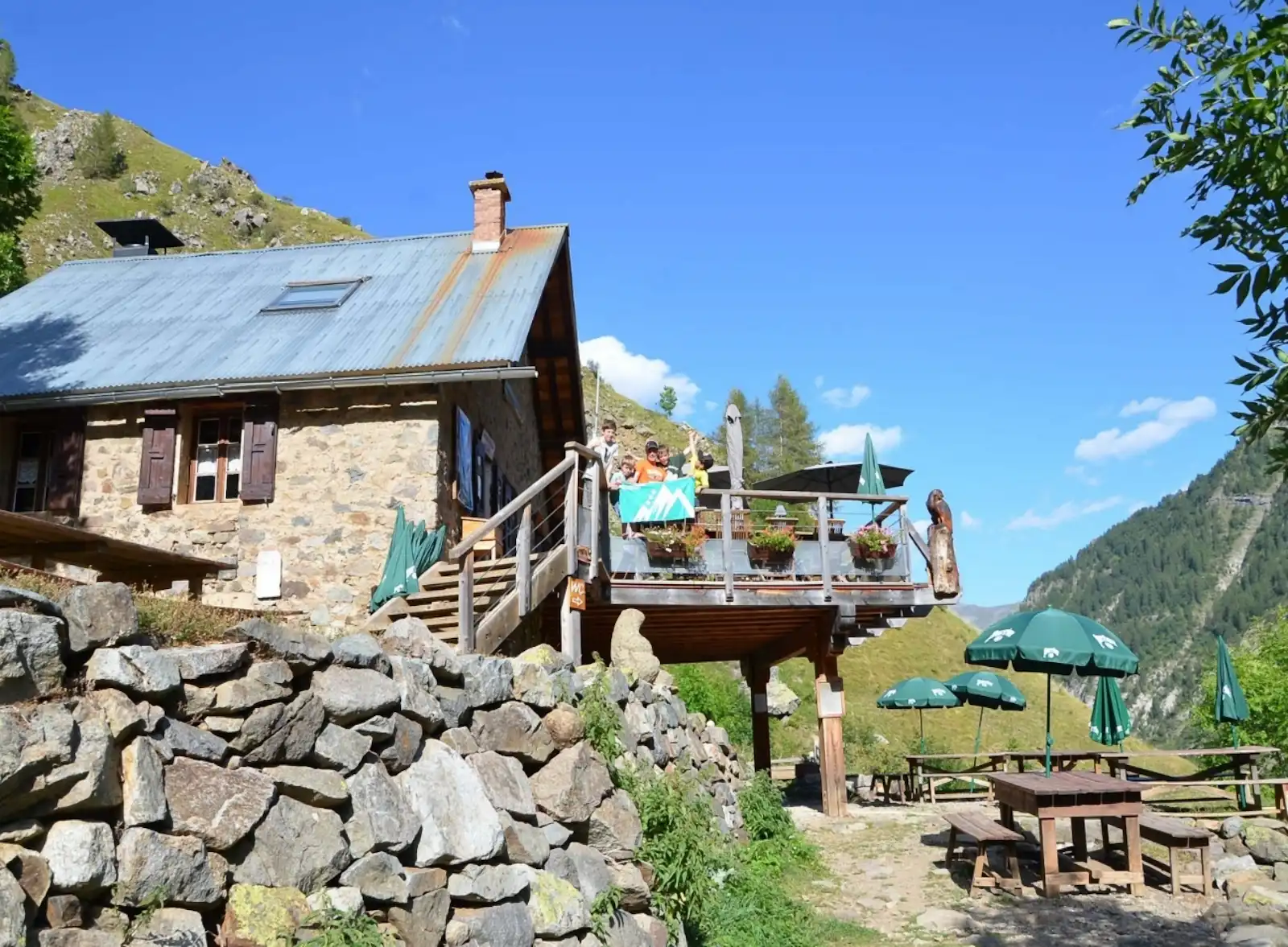
For many mountain adventures, reaching a refuge is part of the experience.
After a long day of ski touring, hiking or snowshoeing, a warm meal and a bed in a mountain refuge can feel like a luxury. But refuges are shared spaces, often with limited resources and a small team working hard to accommodate everyone.
Follow the refuge's rules, keep your belongings organised, respect quiet hours and be considerate of other guests. If you're asked to remove your outdoor footwear, conserve water or follow a particular waste-sorting system, do so.
And when you leave, leave your space clean and tidy.
Mountain refuges are an important part of Alpine culture. Treating them with respect helps preserve that experience for the next person.
Curious about what staying in an Alpine refuge is actually like? Read our guide to spending a night in a refuge in the French Alps before your next mountain adventure.
Mountain life has its own rhythm.
Public transport may be less frequent, shops and restaurants may have seasonal opening hours, and mobile phone coverage can be limited in remote areas. A trailhead that looks easy to reach on a map might involve a narrow mountain road or limited parking.
Do a little research before setting off, particularly if you're travelling outside the main tourist season.
Planning ahead isn't about taking away the spontaneity of your adventure. It's about making sure you can enjoy it without creating unnecessary problems for yourself or the people who live there.
Mountain etiquette isn't only about how you treat the environment and other people. It also means knowing your own abilities and understanding the conditions you're heading into.
Mountain weather can change quickly.
A warm, sunny morning can turn into a stormy afternoon, while snow and ice can transform a familiar route into something much more challenging.
Before heading out, check the weather and local conditions and make sure you understand what your chosen activity involves.
This applies whether you're planning a summer hike, a climbing day, a canyoning excursion, a mountain biking adventure, or a winter ski tour. Water levels can affect river activities, snow conditions can change ski touring routes, and heat can make exposed summer adventures considerably harder.
One of the great things about social media is that it makes the mountains look accessible.
The downside? A beautiful photo doesn't show the altitude, weather, terrain, preparation or experience behind it.
A trail might look short on a map but involve significant elevation gain. A calm-looking river can have powerful currents. A climbing route may appear straightforward but require more technical experience than expected. A sunny ski touring video doesn't show the avalanche assessment that happened before the camera came out.
Choose activities that match your experience and fitness level, and don't hesitate to ask a local guide for advice if you're unsure.
Knowing when to stop isn't failing. It's good mountain judgement.
Maybe the weather is deteriorating. Maybe you're more tired than expected. Maybe the conditions aren't what you anticipated.
Whether that means abandoning a summit, turning around on a bike ride or cutting a snowshoeing outing short, sometimes the smartest decision is to head back.
The mountain will still be there another day.
Exploring the Alps independently can be incredibly rewarding, but you don't always have to figure everything out yourself. For activities where conditions, terrain or technical skills are particularly important, going with a qualified local guide can make the experience safer, more enjoyable and much more relaxed.
A good guide brings more than just technical expertise. They know the local terrain, understand changing mountain conditions and can adapt an itinerary when necessary. They can also help you navigate some of the less obvious aspects of mountain etiquette, from choosing appropriate routes and respecting protected areas to knowing how to react when you encounter wildlife or livestock.
Many of our holidays can be guided by qualified local mountain professionals, while others can be enjoyed self-guided with the information and support you need. It's about choosing the style of adventure that works best for you.
Mountain etiquette isn't about following a long list of rules or taking the fun out of adventure.
It's about remembering that you're sharing the Alps with other people, local communities, wildlife and an environment that deserves to be protected.
Whether you've spent the day hiking through alpine meadows, climbing above a valley, mountain biking through the forest, ski touring through fresh snow or rafting down a mountain river, the principle is the same:
Enjoy the mountains. Respect your surroundings. Leave them ready for the next person.
Because the best way to experience the Alps isn't simply to explore more of them.
It's to help make sure they're still just as incredible for the people who come after you.
Staying overnight in a mountain refuge is one of the experiences that makes a winter journey through
Read More
When you picture a winter holiday in the French Alps, downhill skiing is probably one of the first t
Read More
When most people picture a walking holiday in the French Alps, they probably think of summer. The hi
Read More.jpg)
If you've tried to plan a holiday recently, you'll probably recognise this. A few searches on Google
Read More
0 comments
Submit a comment