
Staying in a Mountain Refuge in Winter: What to Expect
Staying overnight in a mountain refuge is one of the experiences that makes a winter journey through
Read MorePosted 04-10-2026 by Lea Papillon
When you picture a winter holiday in the French Alps, downhill skiing is probably one of the first things that comes to mind. Ski lifts, pistes and mountain resorts are a big part of winter in the Alps, but they are far from the only reason to visit.
So, what if you don't ski? Is a winter holiday in the French Alps still worth it?
Absolutely. Away from the pistes, winter opens up a completely different side of the mountains. You can walk through snowy forests on snowshoes, try cross-country skiing, follow wildlife tracks, climb frozen waterfalls or simply enjoy mountain villages and local food surrounded by snow-covered peaks.
And even if you stay in a ski resort, your holiday doesn’t have to revolve around downhill skiing. Across the Southern French Alps, there are plenty of other ways to experience winter in the mountains.
There isn't one particular way to spend a winter holiday in the Alps. You might choose to focus on a single activity over several days, giving yourself time to progress and explore different routes, or build a trip around a mixture of experiences.
Your choice might also depend on what draws you to the mountains in the first place. Some people want an active week outdoors, while others are interested in wildlife, local culture and food as much as the activities themselves.
For more ideas, take a look at our Best Winter Activities for a Snow Holiday with a Difference.
So, what are your options?
If you enjoy walking or hiking, snowshoeing is a natural way to continue exploring once the trails disappear beneath the snow. The basic technique is relatively quick to pick up: snowshoes attach to your winter boots and help you move more easily across deeper snow. If you're curious about the equipment and how it all works, our guide to what snowshoeing is goes into more detail.
But snowshoeing isn't simply winter hiking with different footwear. Snow changes where you can go and how the landscape feels, opening up routes through quiet forests, across snowy plateaux and into areas away from the busier pistes and lifts. Fresh snow can also reveal animal tracks and other signs of wildlife along the way.
The level can vary considerably. A gentle outing on relatively flat terrain can be suitable for a first experience, while longer routes with more ascent can provide a proper mountain day for experienced walkers. Walking through snow takes more energy than following a dry summer trail, so distance alone doesn't always indicate how demanding a route will be.
A local mountain leader can choose routes suited to the group, assess snow and weather conditions and navigate when familiar paths are hidden beneath the snow. They can also help you notice and understand more of what you're passing along the way.
You can try snowshoeing for a few hours, include it among several winter experiences or make it the focus of an entire trip, progressing to longer days and more adventurous routes as the week goes on.
Cross-country skiing offers a very different way to travel through a winter landscape. Rather than focusing on descents, you move under your own power along trails that wind through valleys, forests and open snowy terrain, with a mixture of flat sections, gentle climbs and descents.
There are two main styles: classic and skating. Classic cross-country skiing usually provides the more accessible introduction, with your skis following parallel tracks prepared in the snow. Skating uses a side-to-side movement and tends to be faster and more physically demanding.
It can take a little practice to find your balance, learn how to stop and feel comfortable on small descents, so a lesson is a good way to get started. Once you find your rhythm, however, you can cover considerably more ground than you could on foot. Routes range from gentle trails to longer, more energetic outings, so there is plenty of scope to progress.
It's also a great full-body workout, combining endurance, balance and coordination. If that side of the activity interests you, we've looked at it in more detail in our article on the Top Health Benefits of Cross-Country Skiing.
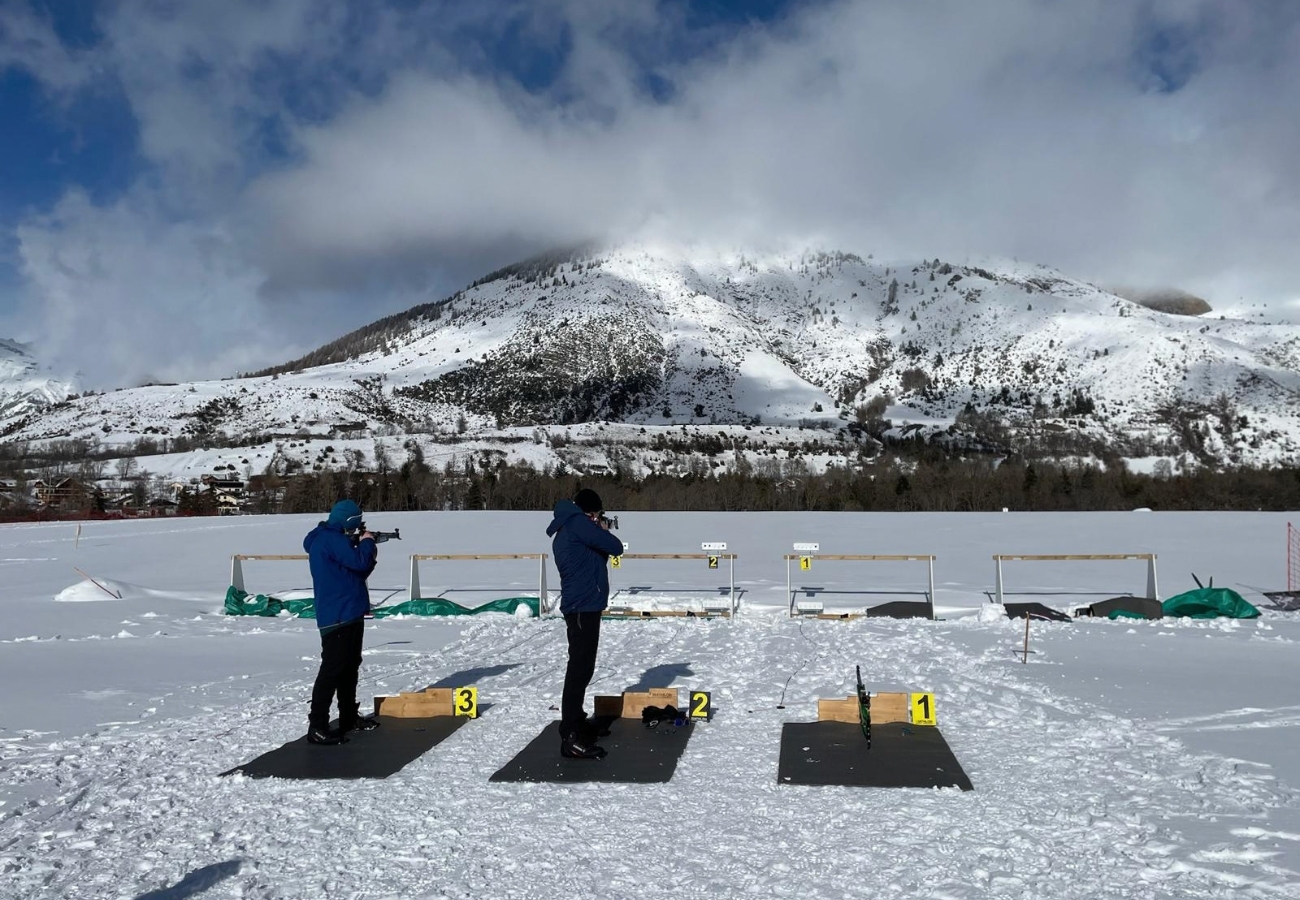
For something a little different, cross-country skiing can also be combined with biathlon, which alternates skiing with target shooting. After getting your heart rate up on the skis, you have to stop, concentrate and aim accurately at the targets – a surprisingly challenging combination that beginners can also try.
Once you've learnt the basics, cross-country skiing offers plenty of scope to progress, whether you try it for a day or spend several days improving your technique and exploring longer trails.
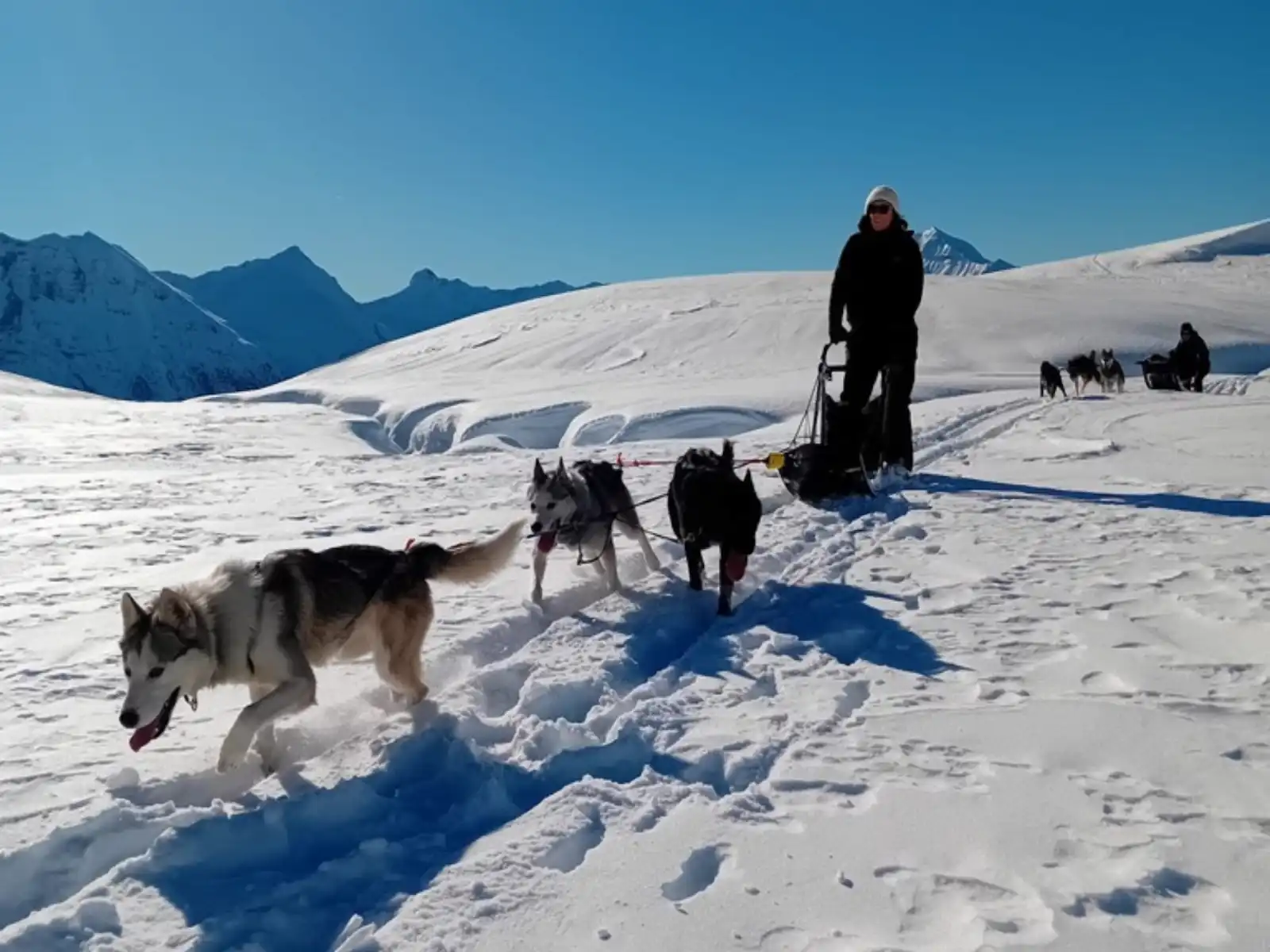
Dog sledding might be more commonly associated with far northern destinations, but it is also possible to experience it in the French Alps.
There are different ways to take part. On some outings, you sit in the sled while an experienced musher drives the team. Others are more hands-on, giving you the opportunity to learn how to drive your own sled while following the musher and their dogs along the route.
Driving a sled is more active than it might appear. You'll learn how to brake, help the dogs on uphill sections and use your body to keep the sled balanced around bends. Depending on the terrain and length of the outing, it can be surprisingly physical.
Meeting the dogs is also a big part of the experience. Mushers can explain how the teams are trained and cared for, and how they communicate with the dogs while travelling. Watching a team settle into its rhythm once it starts running can be just as memorable as the journey itself.
Experiences range from short introductions to longer outings, with routes and availability depending on suitable snow and temperatures. It can therefore work as one experience within a varied winter holiday, or simply as a memorable way to spend a few hours in the mountains.
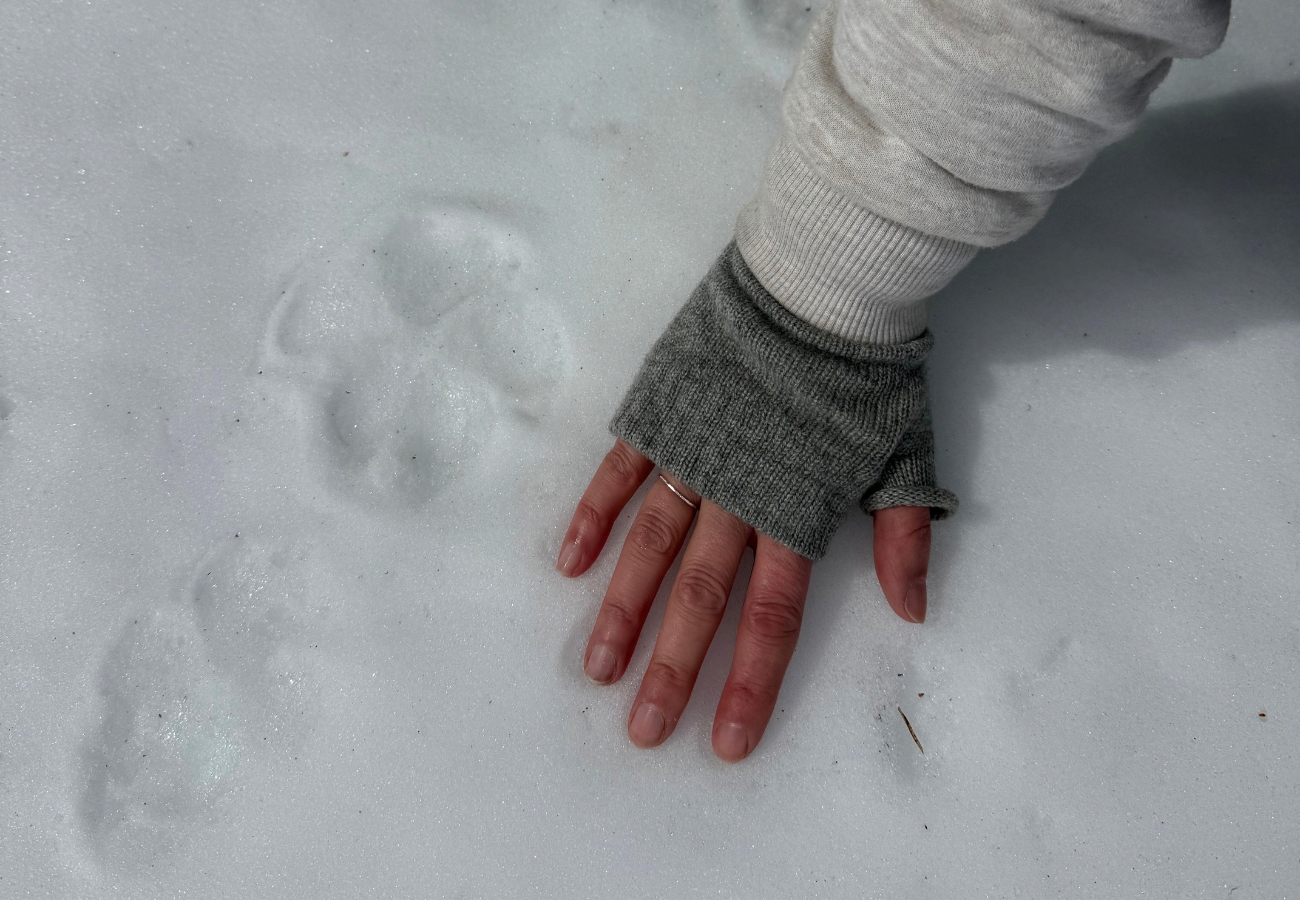
Winter is a fascinating time to look more closely at the wildlife of the Alps. Fresh snow records signs that are much harder to notice at other times of year, with footprints and trails revealing where animals have moved through forests and across the mountains.
The Southern French Alps are home to species including chamois, ibex, deer, foxes and wolves. Seeing them is never guaranteed, and that isn't really the point of tracking. With an experienced guide, you learn to identify the clues animals leave behind and understand what they can tell you about their behaviour, movements and habitat.
For those who want to explore the subject in more depth, wildlife tracking can become the focus of several days. Our wolf tracking trip, for example, involves searching for signs of wolves and other animals with an experienced local guide. You can also read more about the experience in our article Getting Close to Wolves.
The pace is very different from many winter activities. There may be periods of walking, observing, listening and discussing what you find. It gives you time to disconnect from everyday life and become absorbed in your surroundings, away from screens, noise and the usual distractions.
That makes wildlife tracking particularly interesting for people drawn to nature and wildlife, or those looking for a slower, more immersive way to spend time in the mountains.
And sometimes the most memorable moment isn't seeing an animal at all. Finding a fresh set of tracks and knowing that something passed through the same landscape only hours before can completely change the way you look at the snow around you.
When temperatures drop and waterfalls freeze, parts of the mountain landscape are transformed into natural climbing walls of ice. With crampons on your boots and ice axes in hand, ice climbing gives you the chance to experience these frozen formations from a completely different perspective.
It can look like an activity reserved for experienced mountaineers, but beginners can try it too. With a qualified mountain guide, you'll be introduced to the equipment and basic techniques before climbing on ice suited to your ability and the conditions.
Part of the appeal is the challenge. Ice climbing requires concentration, balance and coordination, and reaching the top of your first climb can bring a real sense of achievement. Technique is just as important as strength, which can make the activity more accessible than it first appears. Our Granny and Grandpa Go Ice Climbing story gives a good idea of what trying it for the first time can actually be like.
The setting is also a big part of the experience. Frozen waterfalls continually change as temperatures rise and fall, forming curtains, columns and other shapes that only exist under the right winter conditions. No two days on the ice are quite the same.
For anyone curious to try something more adventurous, ice climbing offers a memorable challenge as well as the chance to discover a side of the winter mountains you would otherwise only see from a distance.
A winter holiday in the Alps isn't only about what you do outdoors. It's also an opportunity to discover the villages, food and traditions that give each valley its own character.
In the Southern French Alps, you might wander around a local market, visit a producer, explore a mountain village or stop somewhere for a long lunch. Smaller villages can have a quieter rhythm in winter, while resort villages offer a livelier atmosphere with shops, restaurants and events alongside the activity on the slopes.
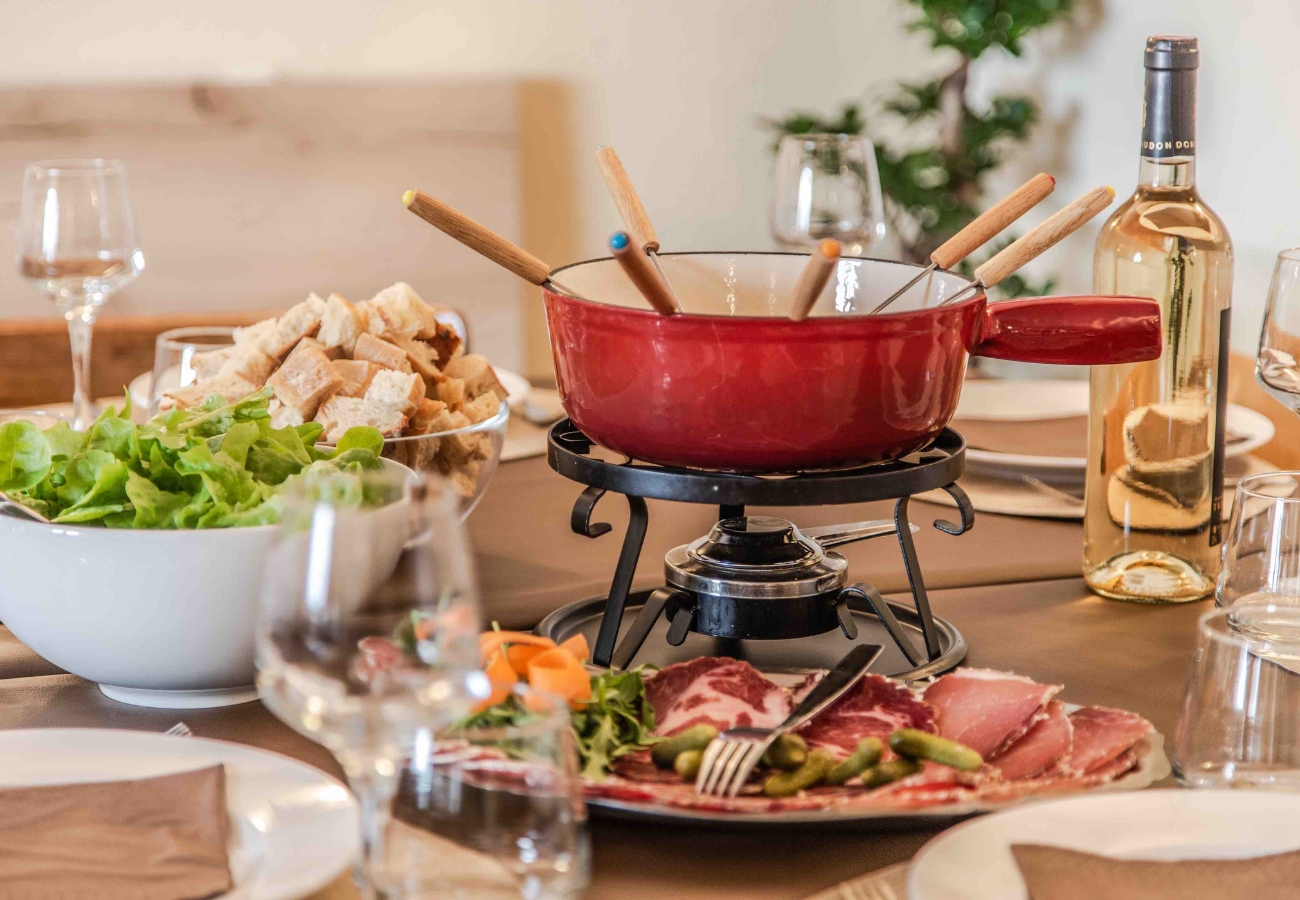
Food is naturally part of the experience. Beyond the well-known fondue and raclette, the Hautes-Alpes has its own specialities, including tourtons – small fried parcels with fillings such as potato and cheese – ravioles du Champsaur, local cheeses, charcuterie and honey. Visiting markets, farms and local producers can give you a better understanding of where these foods come from and how they are made.
There are traditions to discover beyond the table too. Depending on where you visit, you may come across local crafts, museums, chapels, traditional architecture or stories connected to farming and mountain life, offering another perspective on the communities that have lived in these valleys for generations.
Whether it forms part of an active week or is one of the main reasons you enjoy travelling, taking time to discover this side of the Alps can give you a much stronger sense of the place beyond its winter landscapes.
Travelling together doesn't mean everyone has to spend every day doing the same thing. In a group of four, for example, two people might want to ski while the others try paragliding. Another day, everyone might decide to go dog sledding together, before choosing between ice climbing, cross-country skiing and biathlon or another activity later in the week.
This kind of flexibility is built into our tailor-made winter multi-activity holiday. Each person has activity points to use during their stay, so the group can decide which experiences they want to share and when their interests take them in different directions.
Outside those activities, you're still on holiday together – staying in the same place, sharing meals and spending the rest of your time as a group. It can be a useful way to travel when not everyone has the same idea of what they want from a week in the mountains.
And, of course, you don't have to split up at all. If everyone discovers they want to try the same things, you can spend the whole week together. The point is simply that one person's choice doesn't have to determine everyone else's.
You don't need to be super fit to enjoy winter in the Alps. Whatever your age or usual level of fitness, there are activities and outings at different levels, from accessible introductions to more physically demanding days in the mountains.
You don't need to arrive with lots of experience either. Many winter activities can be tried for the first time, with guides or instructors there to teach you the basic techniques and help you feel comfortable.
Going guided also means the day isn't necessarily set at one pace. A guide can adapt the pace, route and length of the outing to the group, as well as taking the conditions into account on the day.
The important thing is choosing a trip or activity that suits your level and being realistic about what you're comfortable doing. A winter holiday in the Alps can be relaxed or active, depending on the experience you're looking for.
Snow conditions are an important consideration for any winter holiday in the Alps, whether you're planning to ski or not. They can vary considerably with altitude, exposure and recent weather, so a village might have very little snow while the mountains higher up are completely white.
For non-ski activities, the impact depends on what you have planned. Some need good snow cover, while others can take place in a wider range of winter conditions. When snow is needed, it may be possible to choose a different route, change altitude or head to another part of the valley where conditions are better.
This is where local knowledge becomes particularly valuable. Guides and activity providers can assess the conditions on the day and adapt the route, location or plan when necessary, rather than relying on conditions being exactly as expected.
And because experiencing the Alps without downhill skiing can involve much more than snow-based activities alone, a less snowy spell doesn't necessarily mean there's nothing to do. The mountains, villages, local food, wildlife and other experiences we've covered above are still part of a winter stay.
Winter in the mountains will always involve an element of variability, so it's worth arriving with some flexibility about exactly where each day will take you. If snow reliability is something you're concerned about before booking, we've looked at it in more detail in our article on How to Avoid Disappointment on a Winter Holiday if the Snow Doesn't Fall!
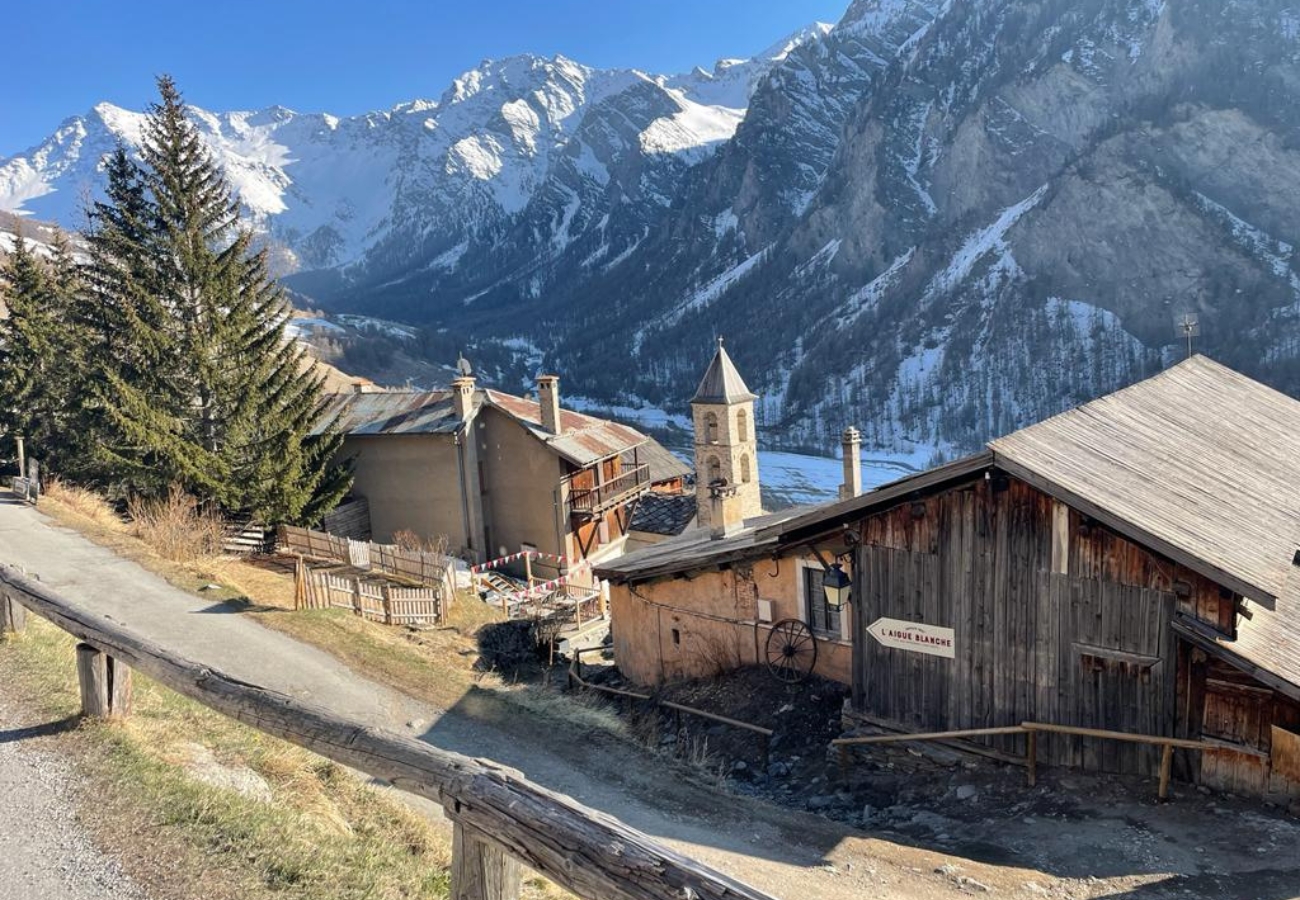
Absolutely. Downhill skiing may be one of the best-known reasons to visit the French Alps in winter, but it is only one way to experience the mountains at this time of year.
Whether you want to focus on one activity, try several different experiences or simply combine time outdoors with local food and Alpine life, there are plenty of ways to shape a winter holiday without spending your days on the pistes. You can explore our winter holidays in the French Alps to see some of the different possibilities.
So if you've always wanted to see the Alps in winter but thought skiing was a requirement, it might be time to think again.
Staying overnight in a mountain refuge is one of the experiences that makes a winter journey through
Read More
When most people picture a walking holiday in the French Alps, they probably think of summer. The hi
Read More
The Alps have a way of making you feel very small, in the best possible way. From snow-covered peaks
Read More.jpg)
If you've tried to plan a holiday recently, you'll probably recognise this. A few searches on Google
Read More
0 comments
Submit a comment